




Suunto has always been known for its high-quality hardware and strong reputation within the trail running community in particular. Its reputation is backed by elite athletes such as François D’Haene and Courtney Dauwalter.
However, over the past year, Suunto has made a serious push into road running. This is exemplified by signing several top-tier runners, including Clayton Young, Charles Hicks, Joe Klecker, and Phil Sesemann. It’s a strategy we’ve also seen from direct competitor COROS.
Suunto is backing up this shift with some interesting upgrades, including the new Suunto Run 2. As the most affordable watch in its lineup, it has an important role to play.
The original Suunto Run was already impressive, particularly in terms of hardware. That was especially true considering its extremely competitive price of just €249 / $249. The second generation brings a price increase to €299 / $349 for the same 4GB storage capacity. There’s also a 64GB version available for €349 / $399. Even with the price hike, the Run 2 remains relatively affordable compared with competing watches from other brands. It also sits well below Suunto’s newly released Race 3S, which costs €499 / $599.
But enough about prices and comparisons. Does the new Suunto Run 2 offer enough to satisfy the needs of most runners? Let’s dive in.
Hardware of the Suunto Run 2
What works for me
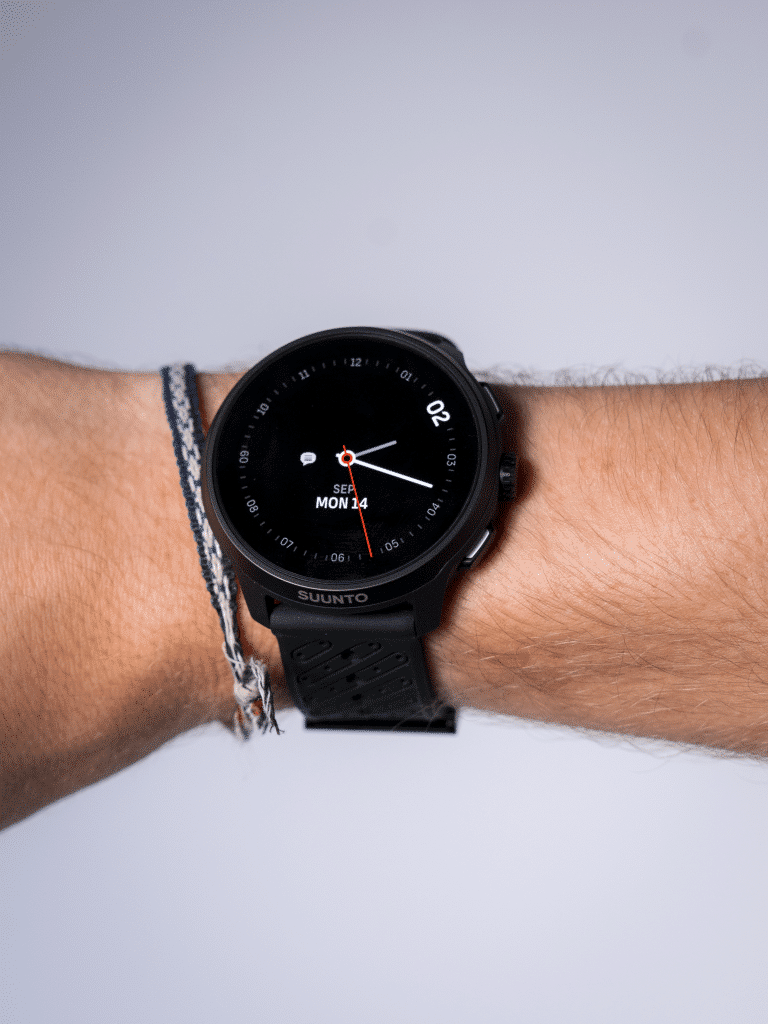
At first glance, the Suunto Run 2 looks almost identical to its predecessor. The case dimensions remain virtually unchanged, although the new version is marginally thicker. The 1.32-inch AMOLED display gets a significant upgrade, with maximum brightness increasing from 600 to 2,000 nits. This makes a noticeable difference when checking your stats under direct sunlight.
Battery capacity increases from 295 to 380 mAh, representing a 29% improvement. Suunto claims up to 10 days of everyday use and 24 hours of dual-band GPS recording. The original offered eight days and 20 hours, respectively. The optical heart-rate sensor gets a substantial redesign, moving to a new 12-channel configuration. Suunto also introduces a newer-generation GNSS chipset, although both watches already support dual-band positioning. These changes aim to improve tracking reliability during demanding workouts.
Navigation receives another major upgrade through offline maps, which were missing from the original. Storage remains at 4GB on the standard model, while a new 64GB version offers considerably more room for music and downloaded maps. Charging also gets an overhaul, replacing the original’s proprietary four-pin connector with a magnetic charging system. Meanwhile, the stainless-steel bezel, Gorilla Glass display, and reinforced-polyamide case remain unchanged.
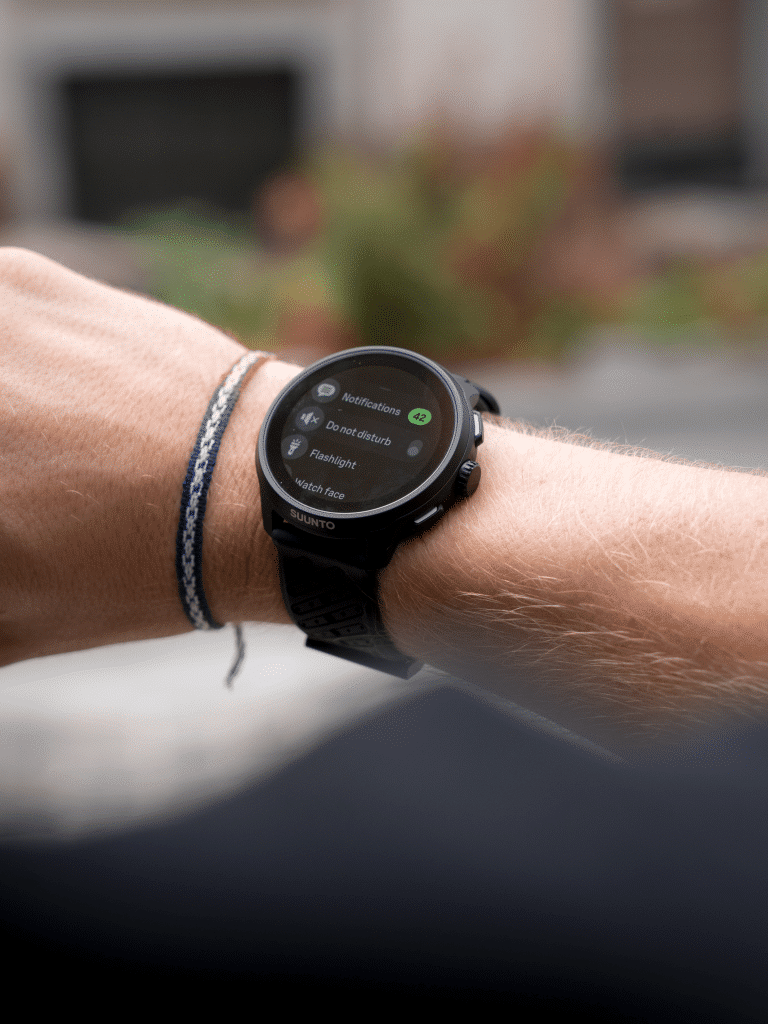
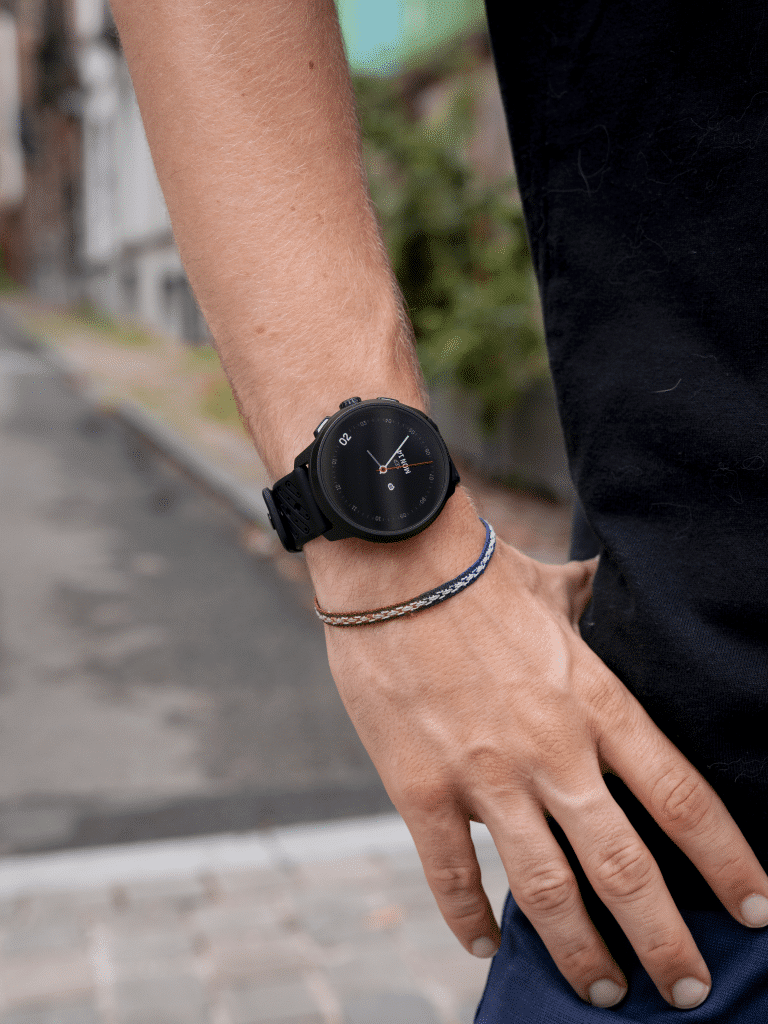
But how do these improvements translate into everyday use? Honestly, despite the price increase, I still haven’t found a direct competitor matching the Run 2’s hardware quality and overall feel. The build quality feels exceptional for this price point. I absolutely love the form factor, especially with my relatively slim wrist. Its 46 × 46 × 11.7 mm dimensions and short lugs create an excellent fit. More importantly, it doesn’t look oversized during everyday wear.
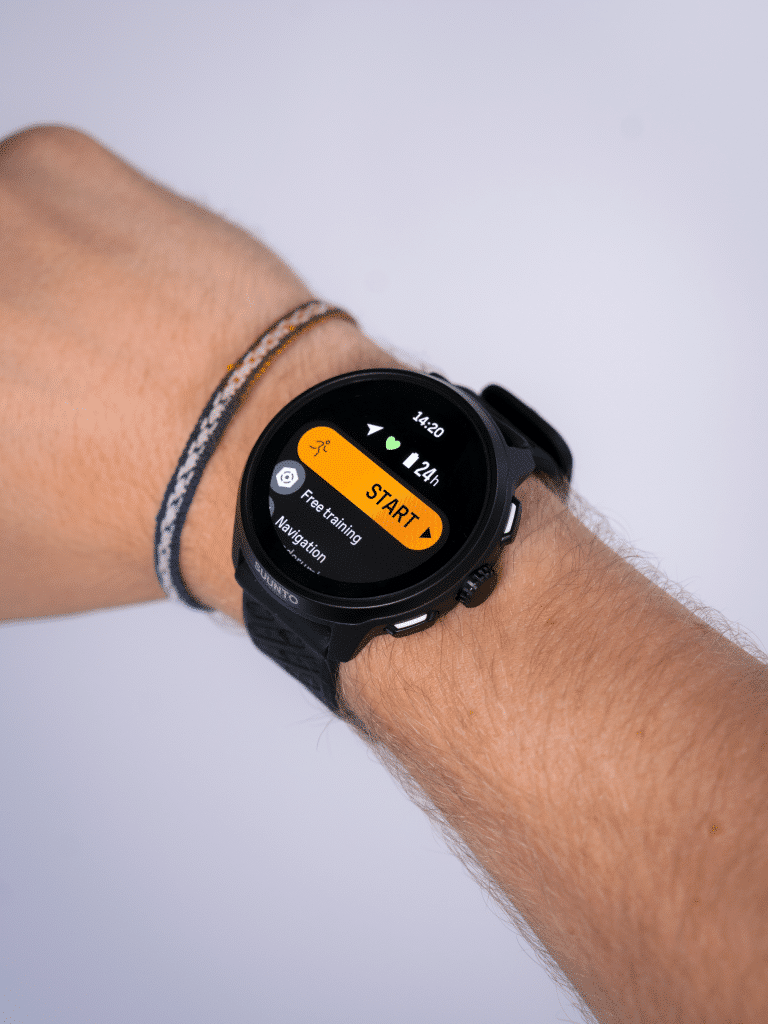
Despite weighing just 35g without the strap, the watch feels surprisingly solid. The sturdy case never feels cheap or plasticky, despite its remarkably low weight. The buttons and rotating crown also deserve praise for their satisfying, responsive clicks. That’s something I can’t say about many watches, including considerably more expensive competitors. Yes, Garmin, I’m looking at you! The bright 2,000-nit display is another highlight. The touchscreen feels exceptionally smooth, something I haven’t always experienced with Suunto watches. Everything looks sharp, and the interface responds quickly to inputs.
This responsiveness becomes particularly noticeable when navigating with the new offline maps. The map moves smoothly, while the crown provides an intuitive way to zoom in and out. Everything feels effortless. GPS performance has also been excellent throughout my testing. The watch follows routes accurately, while recorded distances remain consistent with those from other, more expensive watches I’ve worn. I’m less impressed by the pace-smoothing algorithm, particularly when checking lap pace. However, I’ll discuss that limitation in more detail in the software section.
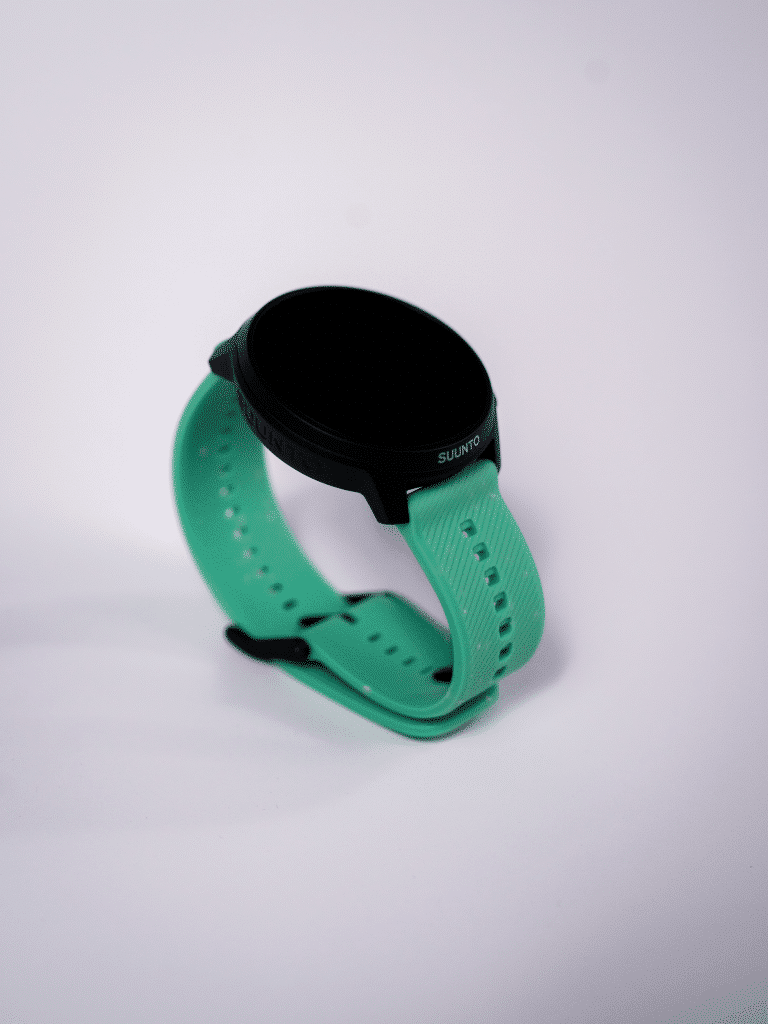
The turquoise silicone strap on my version is one of the better rubber straps I’ve tried and feels absolutely fine. Personally, I prefer nylon bands for all-day comfort, breathability, and easier micro-adjustments. Fortunately, Suunto offers that option too.
What doesn’t work for me
While I appreciate the Suunto Run 2’s clean design, with two buttons and a rotating crown, I’d still prefer four or five buttons, as found on Garmin watches. More buttons would allow faster, more intuitive control while running. The left side of the watch also seems underutilised, with plenty of room for additional buttons. I simply don’t see why Suunto couldn’t take advantage of that space.
The existing button layout also leaves me questioning some design decisions. Perhaps Suunto just wants to do things its own way, but why not use the same button for starting and stopping activities? I realise I’m accustomed to Garmin after many years of use, with occasional periods using COROS. Still, Suunto really needs to simplify its button navigation.
Battery life has generally been excellent, but the always-on display changes that considerably. With it enabled, battery drain has been significantly worse than expected, both during runs and throughout everyday use.
I’m also not convinced the new 12-channel optical heart-rate sensor represents a major improvement over the original Run. I still experience frequent heart-rate spikes and tracking issues. In my experience, its accuracy falls well short of even Garmin’s more affordable alternatives, such as the Forerunner 170.
However, the biggest omissions are arguably NFC payments and native streaming music support. If you don’t use these features, the Run 2 remains an excellent option. For someone like me, who relies on both regularly, their absence is a deal-breaker. I don’t want to carry my phone on every run, especially when I might need to pay for transport home if injured. Being able to buy an energy drink or such during longer runs is equally useful. I actually do use contactless payments several times a week while running.
I also enjoy listening to podcasts and music, so manually transferring audio files feels outdated in 2026. You can store music locally, but that’s hardly a convenient replacement for streaming services. For similar reasons, I see little value in paying extra for the 64GB version. The additional storage mainly benefits runners who want to keep more maps downloaded simultaneously. Switching between maps for different regions is straightforward, making the extra capacity unnecessary for most users.
I realise that adding these features isn’t easy for smaller brands like Suunto and COROS. They simply lack the negotiating power of larger competitors when dealing with streaming platforms and payment providers. Hopefully, that will change one day. NFC hardware may actually already be present in Suunto watches, but enabling contactless payments requires agreements with banks and payment networks. Having the hardware is one thing; getting the necessary partnerships in place is another.
Software and Interface of the Suunto Run 2
What works for me
The software is one area where the Suunto Run 2 makes some genuinely meaningful improvements. The interface remains familiar, but several additions make it a much more capable running watch.
The biggest upgrade is undoubtedly the addition of free offline maps. This was one of the original Run’s most obvious limitations, so I’m glad Suunto finally addressed it. Navigation feels smooth, and the rotating crown makes zooming particularly convenient. You can import routes, follow turn-by-turn guidance, and receive off-route alerts. Unfortunately, the watch still cannot automatically recalculate a route, but the overall navigation experience is impressive for this price category. Hopefully, Suunto will also add street names and other map details over time, despite the Run 2 being the more affordable option in its lineup.
Suunto has also introduced EnergySense, which estimates your remaining energy during workouts. It’s an interesting feature for managing effort, particularly during longer races, although I’d treat its predictions as guidance rather than precise measurements. Marathon Mode is another highlight, offering dedicated race screens, a virtual pacer, and real-time finish-time predictions. Combined with structured workouts, guided sessions, and adaptive Suunto Coach training plans, the Run 2 offers plenty for runners who enjoy training with a plan.
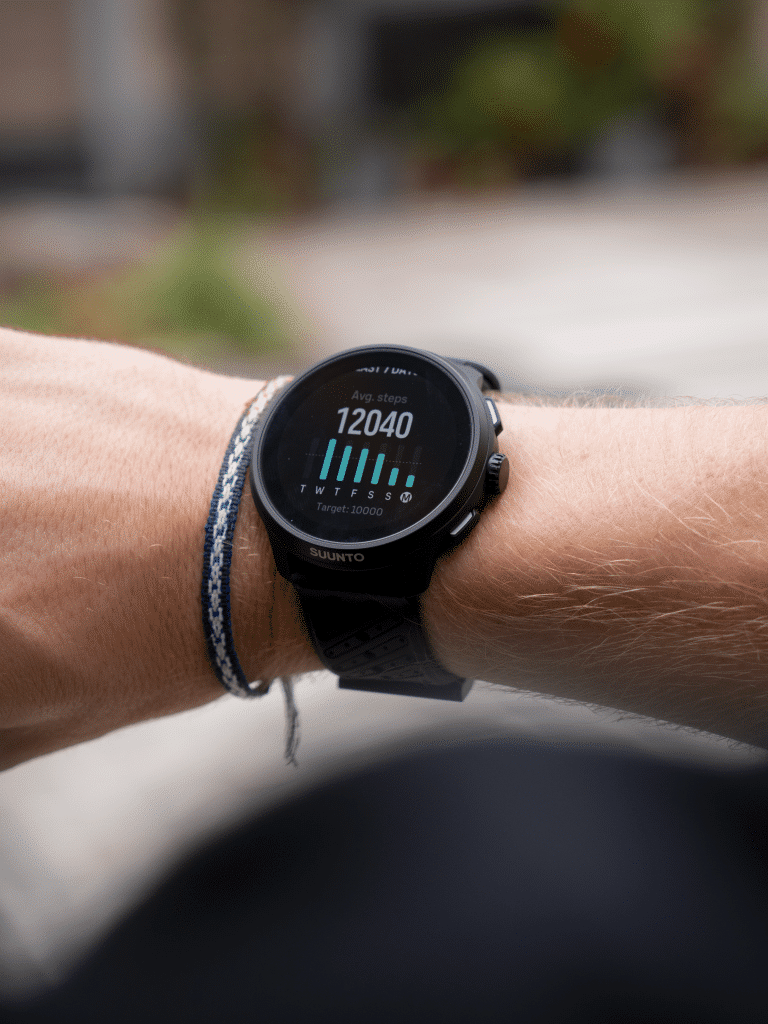
The Suunto app complements the watch with a clean layout and a surprisingly comprehensive set of tools. Route planning is a particular strength, with heatmaps, different map layers, and road-surface information helping you discover new routes. Workout summaries provide detailed graphs for pace, heart rate, elevation, and laps, while longer-term metrics cover training load, VO₂ max, estimated lactate threshold, and fitness trends. Sleep and daily activity tracking are also integrated into the same platform.
You can create structured workouts, customise watch settings and data screens, and synchronise activities with platforms such as Strava and TrainingPeaks. Best of all, the core experience doesn’t require a monthly subscription. Although Garmin Connect offers greater analytical depth, Suunto’s cleaner approach feels less overwhelming. Overall, the software has become considerably more versatile while retaining its running-focused identity.
What doesn’t work for me
Despite the improvements, the software still has some frustrating limitations. The interface is generally smooth, but navigating certain menus and understanding some training metrics isn’t always as intuitive as it should be. The app presents plenty of data without consistently turning it into clear, actionable insights. Garmin still has the edge in recovery guidance, training readiness, and helping runners understand what their data actually means.
For everyday use, I also miss being able to change certain settings directly on the watch during activities. For instance, switching between manual laps and automatic laps based on distance or time should be possible without interrupting a workout. I also think Suunto could improve its data-field customisation. Six fields per page instead of just four would be welcome, alongside greater flexibility over individual layouts.
Why is the largest field on every data page locked to overall time? Perhaps it’s just me, but that’s one of the least useful metrics to display so prominently. Surely, users should be allowed to customise it themselves. On the positive side, the dedicated lap page is excellent for reviewing individual splits. Unfortunately, it only works with manual laps rather than automatically recorded ones.
Track Mode is another area where I’d like to see improvements. You can select a 400-metre track and specify your lane, but that’s not enough for accurate tracking everywhere. Not all tracks are identical, and the ability to calibrate or synchronise the watch to an individual track would be greatly appreciated.
My biggest frustration, however, is the lap-pace smoothing algorithm, or rather, the lack of effective smoothing. It’s an issue I’ve also experienced with COROS watches. Pace jumps around during the first part of a lap, making it unnecessarily difficult to maintain a consistent target. I’d love to see Suunto introduce a ‘Rolling Pace’ data field, similar to Garmin’s approach. It would make pacing workouts considerably easier, especially when trying to hit precise splits.
Overall, the software is capable, but it still feels less comprehensive than the hardware deserves. Suunto has made meaningful progress, particularly with navigation, yet training analysis, data presentation, and customisation still leave considerable room for improvement.
Final Verdict
The Suunto Run 2 is an impressive running watch that gets the most important things right. Its exceptional build quality, lightweight clean design, bright AMOLED display, and excellent navigation make it feel more premium than its price suggests. The addition of offline maps, EnergySense, and improved training features also makes it a meaningful upgrade over the original. For €299 / $349, it offers a compelling package for runners who want capable hardware without paying flagship prices.
However, the experience isn’t quite as polished as the hardware. The optical heart-rate sensor remains disappointing in my testing, while limited customisation and inconsistent lap-pace readings frustrate during workouts. The absence of contactless payments and native streaming music also makes it less convenient for everyday use. Suunto has made significant progress, but its software still needs refinement to compete with especially Garmin’s more comprehensive ecosystem.
Ultimately, the Run 2 is an excellent option for runners who prioritise design, navigation, and straightforward training features. However, those who rely on advanced training analysis, reliable wrist-based heart-rate tracking, or smartwatch conveniences may find better alternatives elsewhere. I love what Suunto has achieved with the hardware, but I wish the software could match it.

