






Every now and then a shoe comes along that is trying to do something genuinely new. The KIPRUN KIPNEXT CONNECT is one of them. This is KIPRUN’s first connected running shoe, developed with technology company MOVMENTA. Its headline feature has nothing to do with how it runs: an embedded sensor that claims to measure how worn out your cushioning actually is. The idea is that midsole foam degrades invisibly long before the outsole looks worn. Running on dead foam is a known injury risk. Therefore, a shoe that can tell you when its cushioning is spent helps you replace it at the right time. Not too early and not too late.
But a running shoe still has to run. Underneath the tech sits a 53mm slab of supercritical foam pitched at long-distance comfort. So there are really two shoes to review here: the trainer, and the technology. Let’s have a look at both, and whether this technology is good enough for us to start seeing it in more running shoes across the market in the coming years.
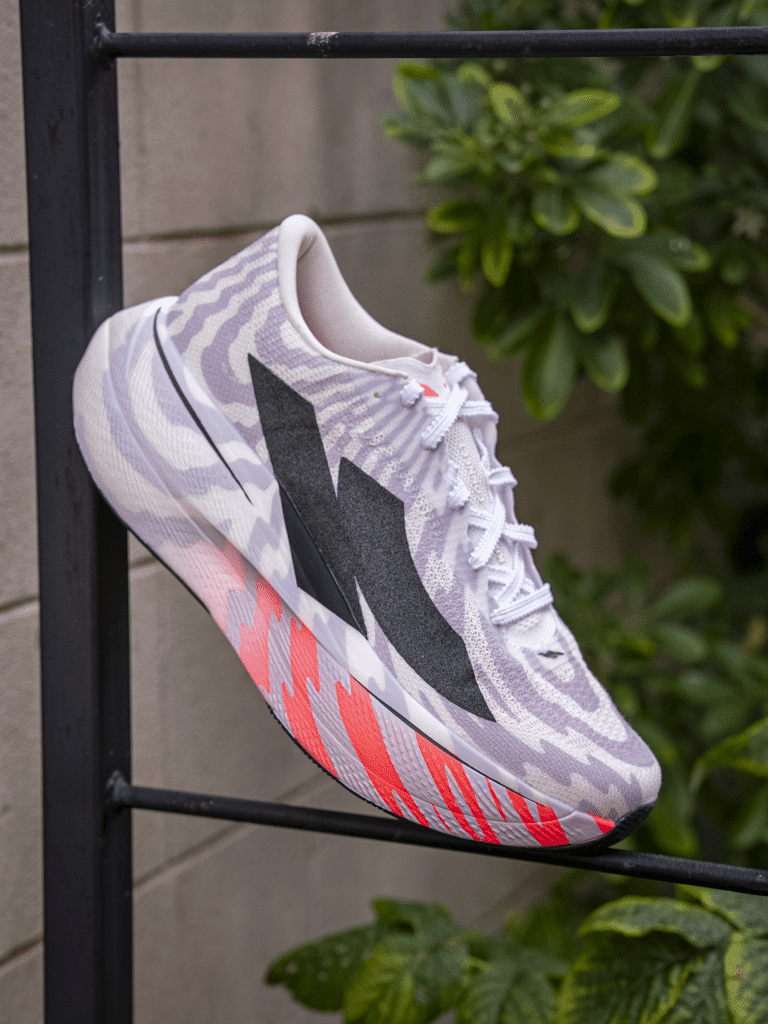
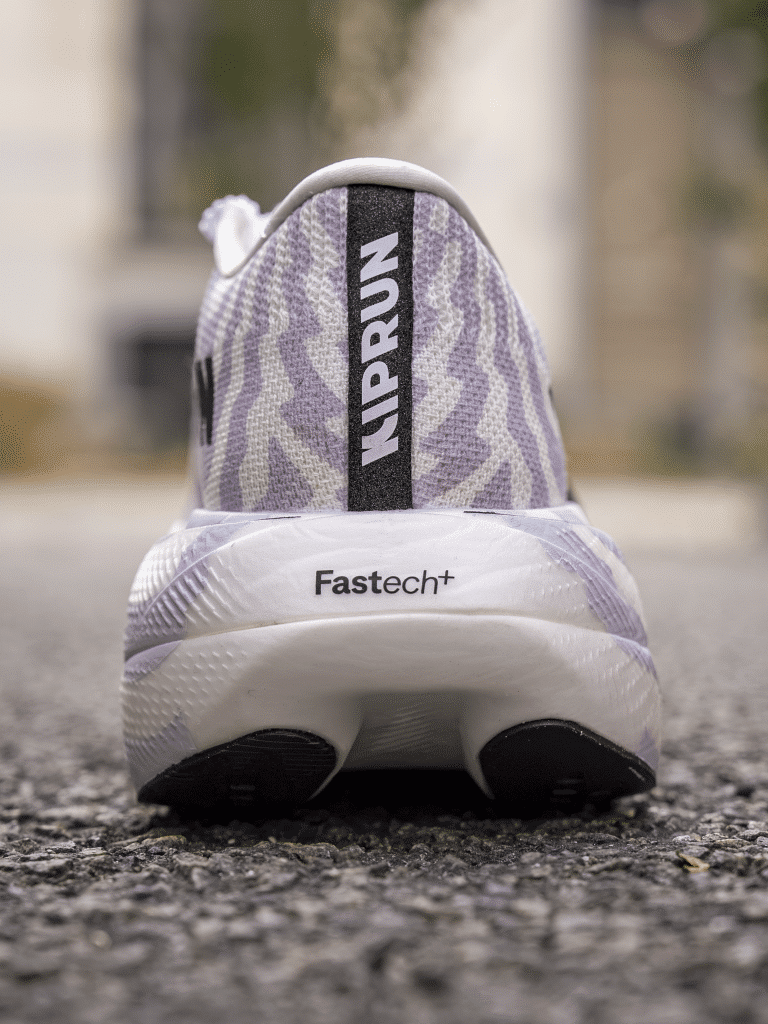
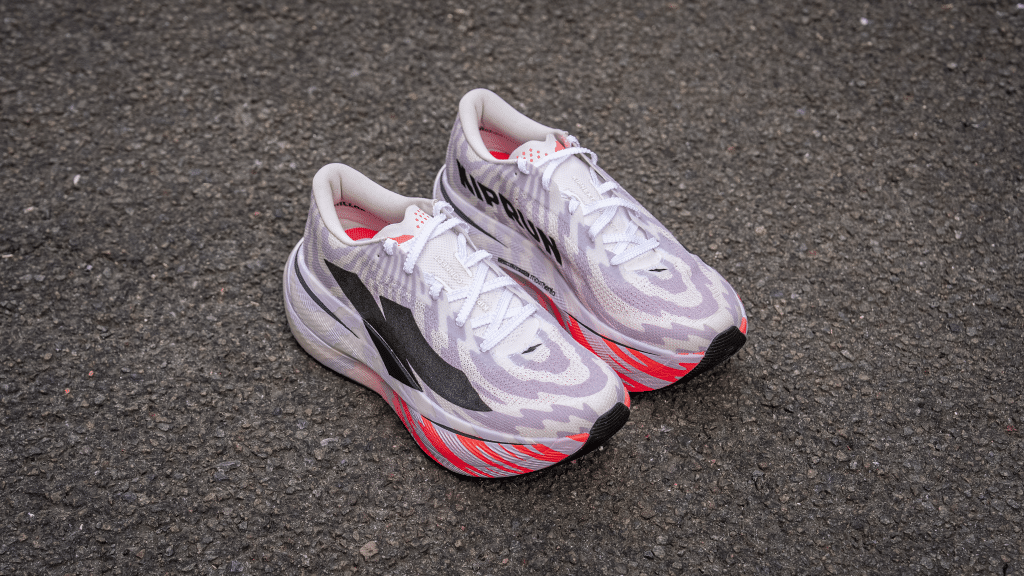
Upper and Fit of the KIPRUN KIPNEXT CONNECT
What works for me
The fit of the KIPNEXT CONNECT is one of the best I have come across from KIPRUN. This matters for a shoe built for long, cushioned miles. There is plenty of padding around the heel for a secure, confident lockdown. Meanwhile the forefoot feels relatively roomy without ever losing that sense of security. The shoe fits true to size with a medium-width toe box, so no need to adjust from your usual size.
The detail that sets this upper apart from any other trainer, though, is the connected tech. The SOLLO sensor is integrated into both the midsole and the upper. You take a reading via a scan zone on the lateral side of the left shoe, clearly identifiable thanks to a bright pink marking. It is easy to locate and has been easy to use throughout my time with the shoe.
Crucially, it is completely imperceptible on the run. I felt no discomfort, no hot spots, and no change to the fit from having the sensor running through the upper. For a first-generation piece of embedded technology, that is genuinely impressive. Most importantly, it means the tech never once got in the way of the actual running.
What doesn’t work for me
Beyond the connected tech, the upper is a competent, comfortable piece of work without any glaring faults. There is little to criticise. If anything, the notable thing here is simply that KIPRUN have managed to add an embedded sensor system without compromising the fit or comfort at all.
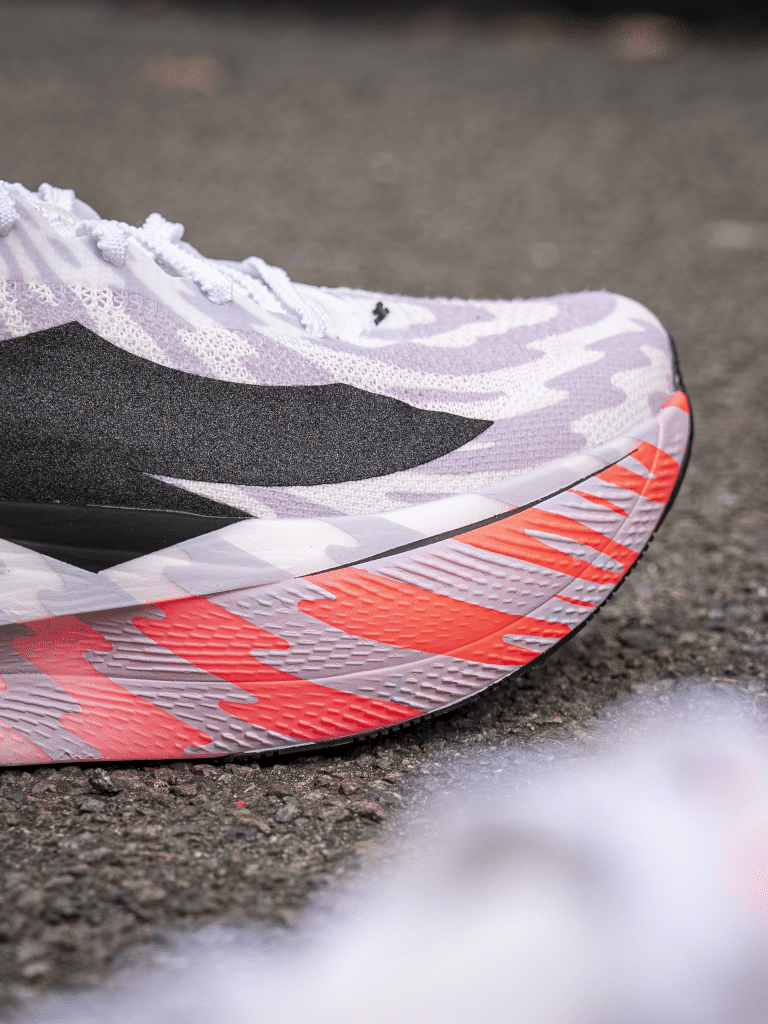
Midsole and Ride of the KIPRUN KIPNEXT CONNECT
What works for me
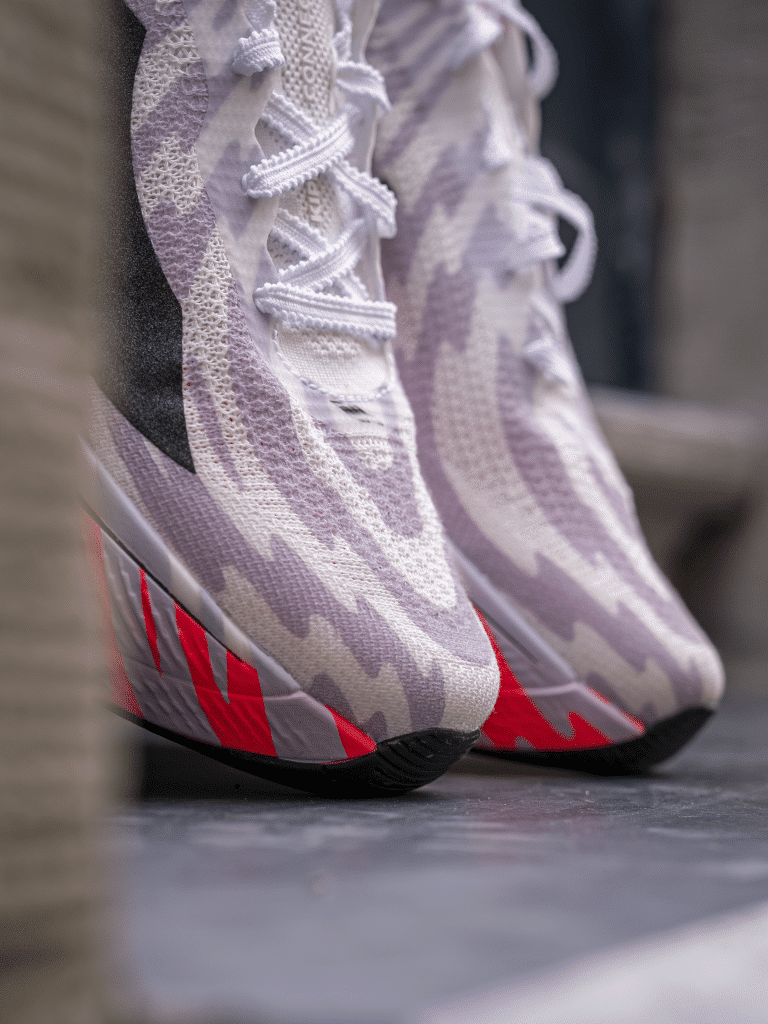
This is where the KIPNEXT CONNECT genuinely comes into its element. Interestingly it is not the sensor that makes it fun to run in. The midsole compound, FASTECH+, which is KIPRUN’s SCF (supercritical) A-TPU foam, is one of the softest and bounciest compounds I have tested to date. Pair that with 53mm of stack in the heel and you get one of the most enjoyable rides I have experienced in a running shoe. It genuinely feels like running on marshmallows. Soft and deep with a lively spring to it that keeps you coming back for more.
At 53mm, stability is always the obvious concern. That much soft foam so far off the ground can easily turn tippy and unstable. This is where the KIPNEXT CONNECT surprised me. If I had to compare the ride to another shoe, the closest is the Nike Vomero Premium in terms of pure softness. However, this comes with one crucial difference. Where the Vomero Premium delivered bottomless cushioning on a relatively unstable base, the KIPNEXT CONNECT manages to add real stability to the platform. That means you can take full advantage of the soft, bouncy feel of all that A-TPU underfoot without constantly worrying about instability or rolling an ankle on a turn. Getting a max-cushion shoe this soft to also feel planted is not easy, and KIPRUN have pulled it off.
It is also worth noting how light this shoe is for what it is. 265g for a EU 43, is a very reasonable weight with the sheer amount of foam in the midsole. It helps the shoe feel more nimble and energetic than its dimensions suggest.
What doesn’t work for me
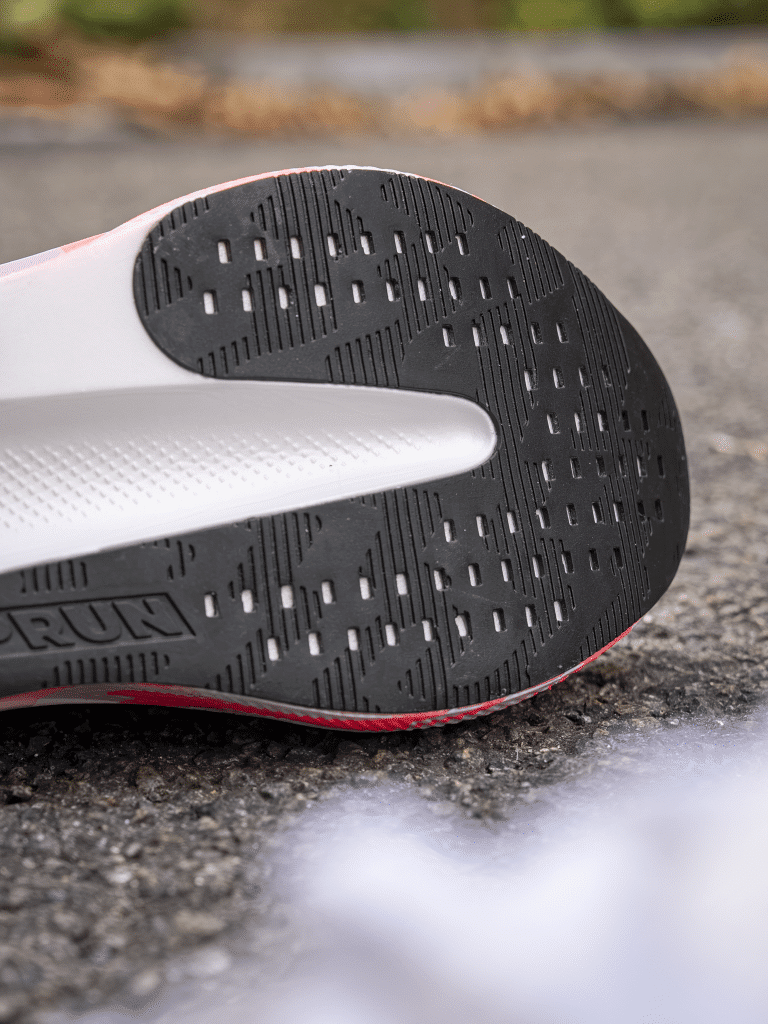
Honestly, not much. As a max-cushioned running shoe the KIPNEXT CONNECT offers a great midsole and ride. My one concern when it comes to the midsole is the extremely limited ground feel from the shoe. However, this is no surprise with so much foam underfoot…
My other concern, which can only be decided with more testing, is the durability of the soft and bouncy feel of the shoe and the midsoles performance over time. As is the case with most ultra-bouncy midsoles, their performance can drop off quite significantly over time. The midsole is based on an A-TPU compound. This is a material which is known for it’s exceptional long-term durability, especially in comparison with other supercritical foams on the market. While I can’t comment on the long-term durability of the midsole yet, I will be sure to return and add more once I’ve logged many more miles in this shoe.
Outsole of the KIPRUN KIPNEXT CONNECT
Grip and Traction
The KIPNEXT CONNECT is a road endurance shoe. Across the road running I did in it, grip and traction were never a concern. It did exactly what a max-cushion road trainer should do on tarmac and typical training surfaces. There was no slipping or insecurity to report even on wet and smooth surfaces. I was also able to take it on some gravel paths for some easy runs. This was definitely not what the shoe is for. Despite being relatively stable on the roads, the high stack meant it felt completely out of place on gravel uneven trails. While I would have expected the outsole to perform well this is definitely not an all-terrain shoe.
Durability
This is where the KIPNEXT CONNECT gets genuinely interesting, because durability is the whole point of the shoe. On the physical side, my pair has held up well across my testing with no concerns to flag so far. But the more meaningful durability question is the one the shoe itself is built to answer. How the FASTECH+ foam holds up over hundreds of kilometres, and whether the sensor can accurately tell you when it is spent.
I’ve heard from people at KIPRUN that people have tested the shoe up to thousands of km before it fully degraded. However, whether this is a reasonable statement is unanswerable in a few short weeks.
Conclusion
The Connected Technology
Since the sensor is the reason this shoe exists, it deserves its own honest assessment. Here is how KIPRUN say it works. “An ultra-light passive sensor of around 3 grams, called SOLLO, is embedded in the shoe and measures the static compression of the foam at the heel, the main impact zone for most runners. You take a reading by passing your smartphone over the pink scan zone, much like a contactless payment, and the PACER app converts the measurement into a percentage of cushioning degradation. The sensor needs no battery and is unaffected by moisture or heat.”
From my testing, scanning the shoe with my phone via the app was reliable. It returned a cushioning reading. Here is where I have to be honest, though. While the reading appeared and seemed correct, I have no way of verifying whether it is actually accurate. Validating that would require running the shoe all the way to it falling apart and cross-checking the sensor’s percentage against real foam compression, to see whether it flags degradation before you would have replaced the shoe on feel alone. Nobody can do that in a few weeks, myself included. So my verdict on the technology is that it is promising but too early to give a concrete review. The interaction is impressively slick and reliable, but the core promise, accurate wear measurement, remains unproven for now.
There is one real-world benefit of the concept that deserves proper credit, and it is not just about injury prevention. If the sensor genuinely works, it could stop runners from binning shoes that still have plenty of life left in them, purely because the outsole looks a bit tired or because it feels like time for a new pair. That has a real sustainability upside, cutting down on the waste of perfectly usable shoes being thrown away early. In a sport that gets through a lot of footwear, and in a world with finite materials, a reliable way to know exactly when a shoe is actually done is invaluable. It is arguably the most compelling everyday case for the whole system.
Value for Money
At €220, the KIPNEXT CONNECT hits a premium shoe price point. Judged purely as a running shoe, the soft, stable, fun ride is genuinely excellent and competitive with premium max-cushion trainers. Therefore, you are not paying that price for the tech alone. But whether the connected system justifies the premium over an equivalent non-connected shoe depends entirely on how much you value the wear-tracking idea, and on that feature eventually proving itself.
If the ride alone appeals, it is a strong shoe at a premium but not outrageous price. For context, the Nike Vomero Premium retails for €230. If you are paying specifically for the sensor, you are to some extent buying into certainty that the shoe will let you know when it’s time for a refresh.
Fitting it into a shoe rotation
The KIPNEXT CONNECT slots in as a max-cushion uptempo long-run and endurance shoe. It doubles beautifully as a recovery-day option for soaking up easy miles on tired legs. That soft, protective, yet energetic ride is exactly what you want for high-mileage days. Its surprising versatility means it can pick up the pace when you want it to, and could even serve as a soft, plateless marathon option for the right runner, but I would say it’s most comfortable in your rotation as the long-run and easy-day workhorse rather than a dedicated speed shoe.
Final Verdict
The KIPRUN KIPNEXT CONNECT is two things at once, and both are worth taking seriously. As a running shoe, it is a genuine success: a soft, bouncy, surprisingly stable max-cushion trainer that is one of the most fun rides I have had underfoot this year, and versatile enough to stretch from recovery miles to a potential marathon. As a piece of technology, it is a fascinating and slickly executed first step. The central promise, accurately measuring cushioning wear, is genuinely exciting but, as yet, is not proved.
If you want a superb long-run shoe and see the sensor as an interesting bonus, the ride will not be a dissapointment. If you are buying primarily for the wear-tracking, go in knowing you are backing a promising but early technology. Either way, KIPRUN and MOVMENTA have produced something that pushes the category somewhere genuinely new, and for €220, you can be a part of that.
Comparisons Against Similar Shoes
KIPRUN KIPNEXT CONNECT vs. Nike Vomero Premium
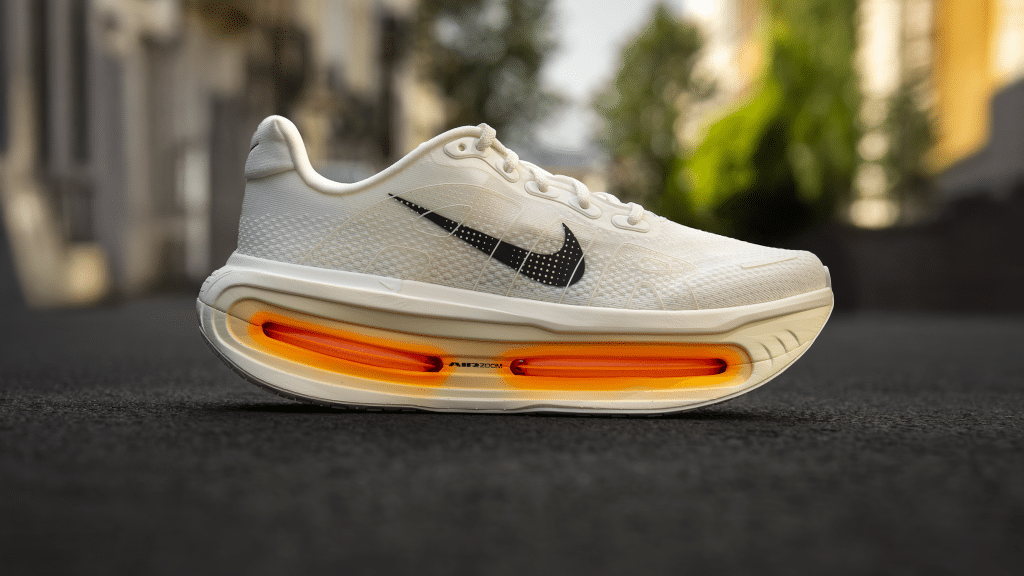
This is the most useful comparison of the three, because the two shoes share a very similar level of soft, deep cushioning. Having run in both, they are closely matched on pure softness, but they differ in one important way. The Vomero Premium offered bottomless cushioning on a relatively unstable base, whereas the KIPNEXT CONNECT delivers that same soft, luxurious feel while adding genuine stability to the platform. If you loved the softness of the Vomero Premium but wished it felt more planted and secure underfoot, the KIPNEXT CONNECT is essentially that shoe with the stability problem solved.
KIPRUN KIPNEXT CONNECT vs. KIPRUN KIPRIDE MAX
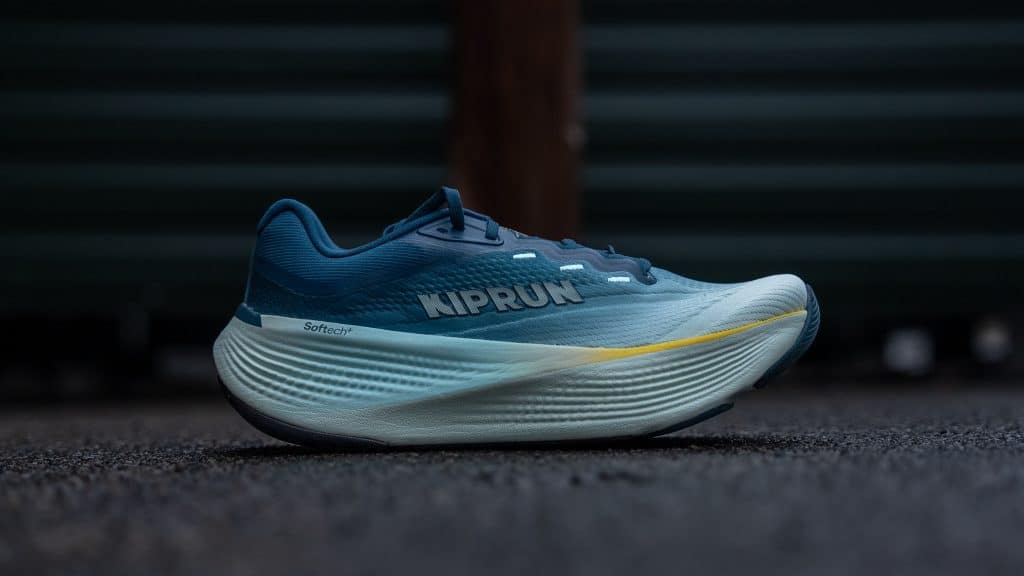
Apples and pears with the New Balance SC Elite being a lot less enjoyable for me. Both foams have similar density in being very soft, but I think the NB is probably even a bit softer. Very different sensations with the plates, where new balance is super close to the foot while the adios pro is only around the foot, so the rigidity comes from a different place. Overall I would recommend adidas 10 times out of 10 for all profiles from recreational to elite runners.
KIPRUN KIPNEXT CONNECT vs. ASICS Superblast 3
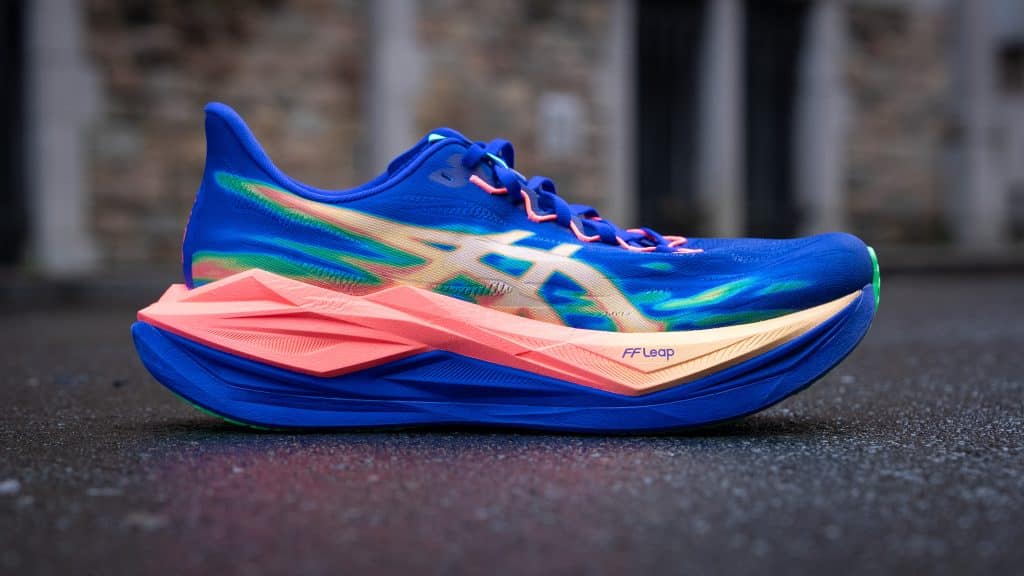
The Superblast 3 is one of the most popular versatile do-it-all trainers on the market, and it shares the KIPNEXT CONNECT’s bouncy, highly energy-efficient character. Having run in both, the key difference is in the nature of the cushioning. Where the Superblast 3 feels primarily bouncy, the KIPNEXT CONNECT feels soft, bouncy, and like it has genuinely bottomless cushioning. For a runner who already loves the lively sensation of the Superblast 3 but wants even more softness and depth underfoot, the KIPNEXT CONNECT will feel like a revelation.
KIPRUN KIPNEXT CONNECT Quick Questions
How should I use the KIPRUN KIPNEXT CONNECT?
Use it as a max-cushion uptempo long-run and endurance shoe that is equally happy soaking up recovery miles on tired legs.
Is the KIPRUN KIPNEXT CONNECT a good shoe for long runs?
Yes, its soft, deep, and stable 53mm of cushioning makes it an excellent and protective choice for long runs, which is exactly its aim.
Is the KIPRUN KIPNEXT CONNECT a good shoe for fast sessions?
It can pick up the pace better than its stack suggests, but that much soft foam costs some directness, so it is for uptempo long runs than sharp fast sessions.
Is the KIPRUN KIPNEXT CONNECT a shoe for daily training?
Yes, particularly for cushioned long runs, endurance runs, and easy recovery miles, though it is a max-cushion option rather than a lightweight everyday trainer.
Can I wear the KIPRUN KIPNEXT CONNECT as a lifestyle shoe?
Its soft ride and good-looking pastel purple and white colourway would carry it as a lifestyle shoe. That said, you may find the high stack and soft midsole not supportive enough.
Is the KIPRUN KIPNEXT CONNECT suitable for all terrains?
No, it is a road endurance shoe for tarmac and typical training surfaces, not for technical or off-road terrain.
Is the KIPRUN KIPNEXT CONNECT a good shoe for racing?
Surprisingly, yes for the right runner, as its soft and energy-efficient ride makes it a viable soft, plateless option for marathon distances, though it is not a dedicated race shoe.
Is the KIPRUN KIPNEXT CONNECT a good shoe for stability?
Yes, despite its 53mm of soft foam it feels genuinely planted and stable underfoot, though this comes from the platform design rather than any corrective pronation support.

