






Some shoes encourage you to run faster. The Scarpa Alien Ultra feels slightly annoyed when you do not, if a shoe could have emotions. Insert the ‘mano a borsa’ furiously for it to make more sense.
After around 50km in the shoe, this much is obvious: the Alien Ultra is not a daily trainer in a costume. It is a very aggressive alpine trail racer with a high level of technology and a very narrow platform to execute on. It is dynamic, propulsive and exciting when the pace rises, but it is not very happy while warming up or cooling down. This shoe has a job, and apparently jogging is not in the job description.
It is fair to say emotions ran high while testing this shoe. Partly because the shoe arrived a size smaller than my usual and I always wanted to push it harder but my big toes cried for relief while the Scarpa Alien Ultra’s cried PIÙ VELOCE! PIÙ VELOCE! PIÙ VELOCE!
Scarpa is saying this shoe is for athletes who want to push beyond their limits. To turn every stride into pure forward motion. They certainly threw the kitchen sink at it, in terms of technology – something we will delve into shortly. I have had the fortune of using this shoe while it’s been on embargo and it turned heads everywhere I ran in it. Does it translate onto the trail experience it looks?
It is time to ‘sputare il rospo’ as our friends at Scarpa would say.
Upper and Fit of the Scarpa Alien Ultra
What works for me
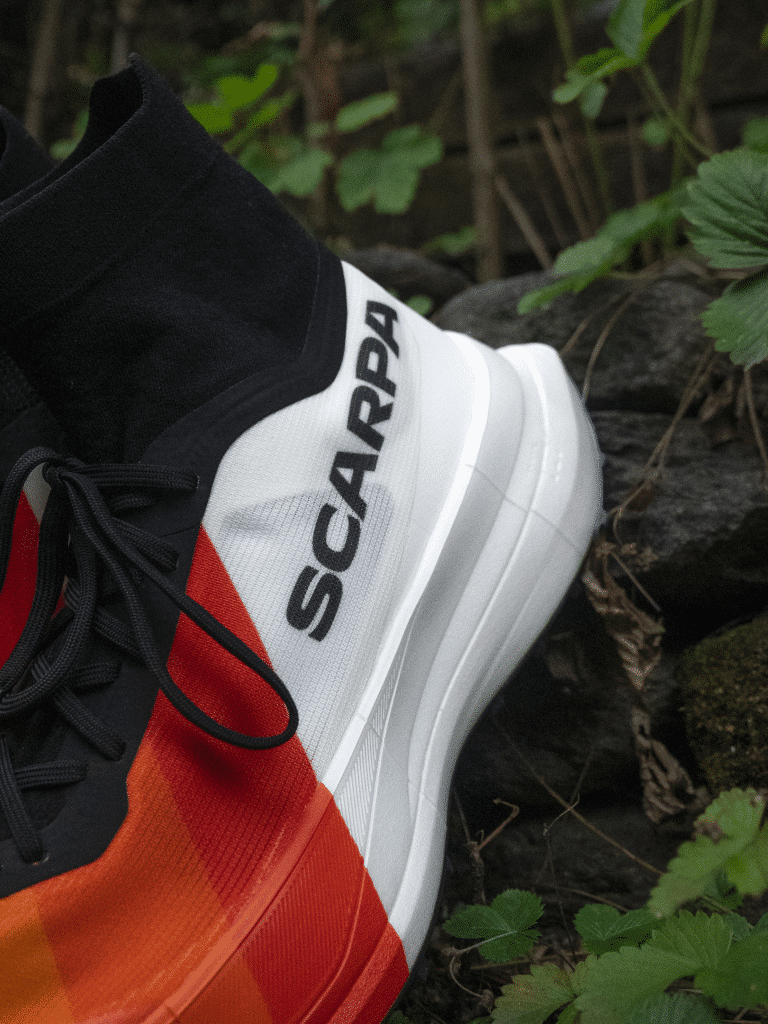
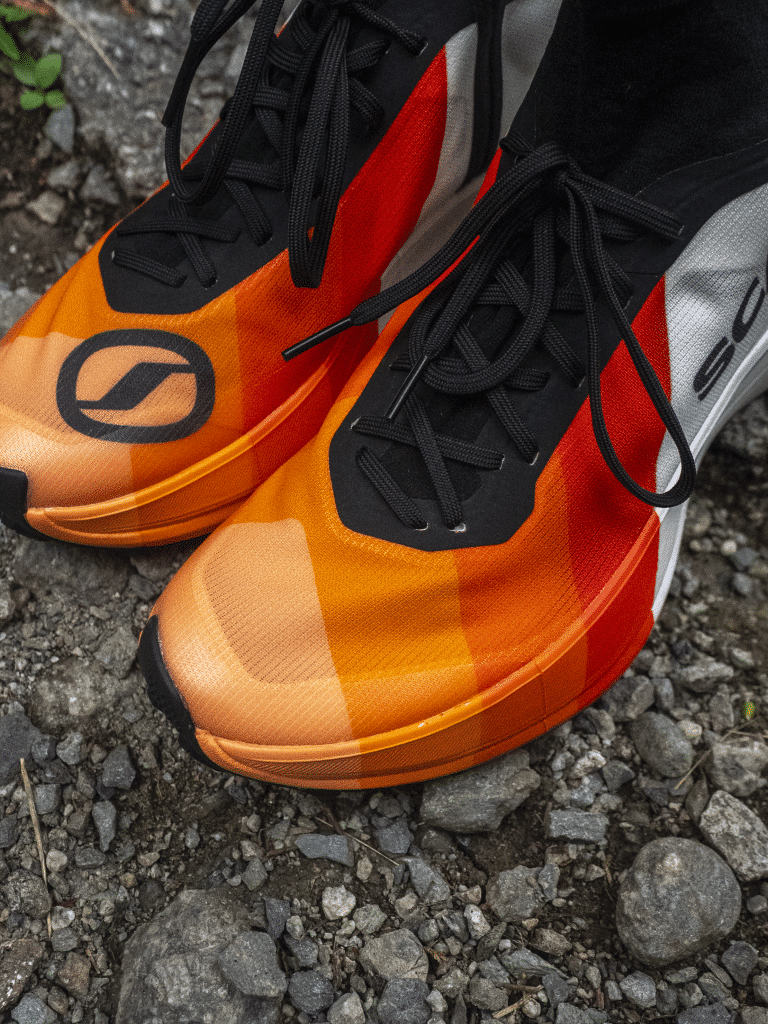
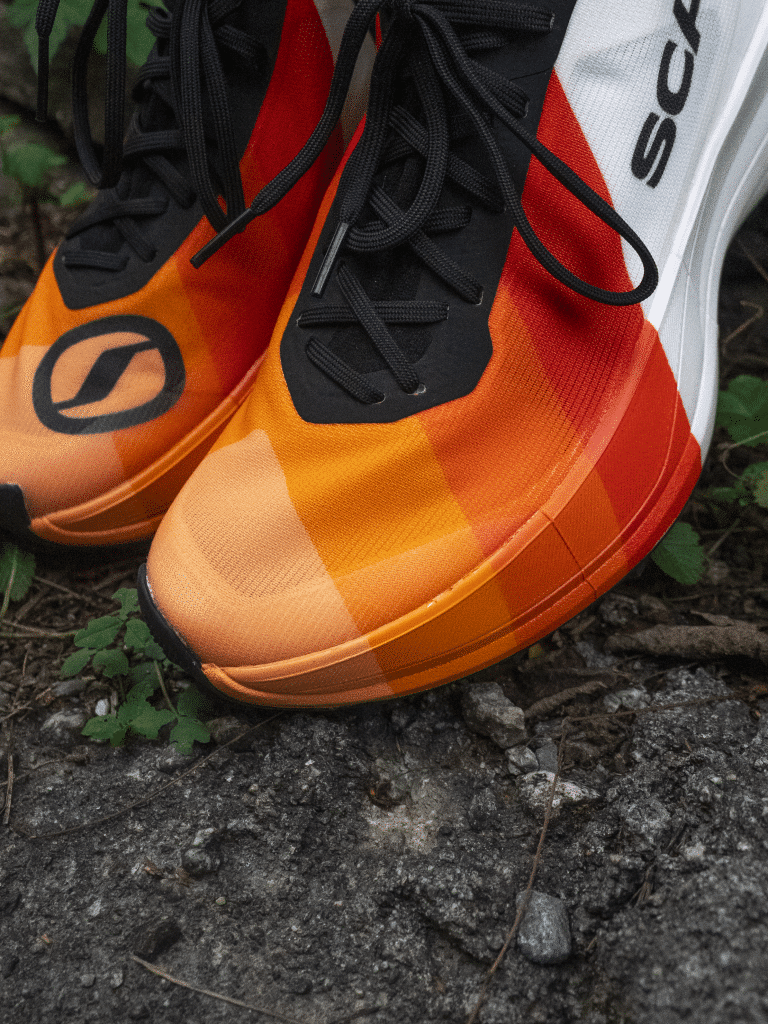
Scarpa calls the upper the Second-Skin Precision Upper, which is marketing language, yes, but at least it tells us exactly what the brand is trying to do. This is not a comfort-first upper. This is a control-first upper.
The upper works because it understands the shoe underneath it. The Alien Ultra is built on a narrow, aggressive platform, so the upper has to be precise. The Second-Skin Precision Upper gives the shoe that held, direct, alpine-racing feel where your foot, the plate and the outsole all seem to be having the same conversation. Considering the narrow waist we are working with, the upper has to be locked down and locked in. Locked in like a fitness influencer in Bali.
This is not a plush upper. It is not trying to be. It is here for control. The integrated gaiter adds to the sense that SCARPA has built a complete mountain racing system rather than a standard trail shoe with some futuristic vocabulary thrown at it. I like gaiters. This one works like a dream and combined with a black sock (read out article linked here on socks) the aesthetic is one that really, I am not sure I am fast enough for.
Fortunately, I have a narrow foot and all this translates to an upper I can live with quite comfortably. Also, the upper is gorgeous!
What doesn’t work for me
The Alien Ultra is not narrow in the cute European-race-shoe way. It is narrow in the “please know what you are doing” way. The downside is obvious: this shoe will not work for every foot. The platform is very narrow, and that will be a dealbreaker for some runners before they even get to the clever foam and plate.
I also wonder how this fit will feel deep into longer alpine efforts once feet swell and decision-making becomes more emotional than scientific.
Precision is wonderful until it becomes pressure. Unfortunately with the size provided I could not test the longevity of the upper on longer runs as my toes were a confusing combination of aching and numb with the shoe being at least a full size too small.
Another element of the upper I did not completely gel with was the lacing. No option for a ‘runner’s knot’ and the laces ending quite early meant I was always looking for a little more lockdown at the top of the laces. It is a complete treat to have received a textured and a more smooth set of laces from Scarpa, but I would have preferred one extra eyelet instead.
Midsole and Ride of the Scarpa Alien Ultra
What works for me
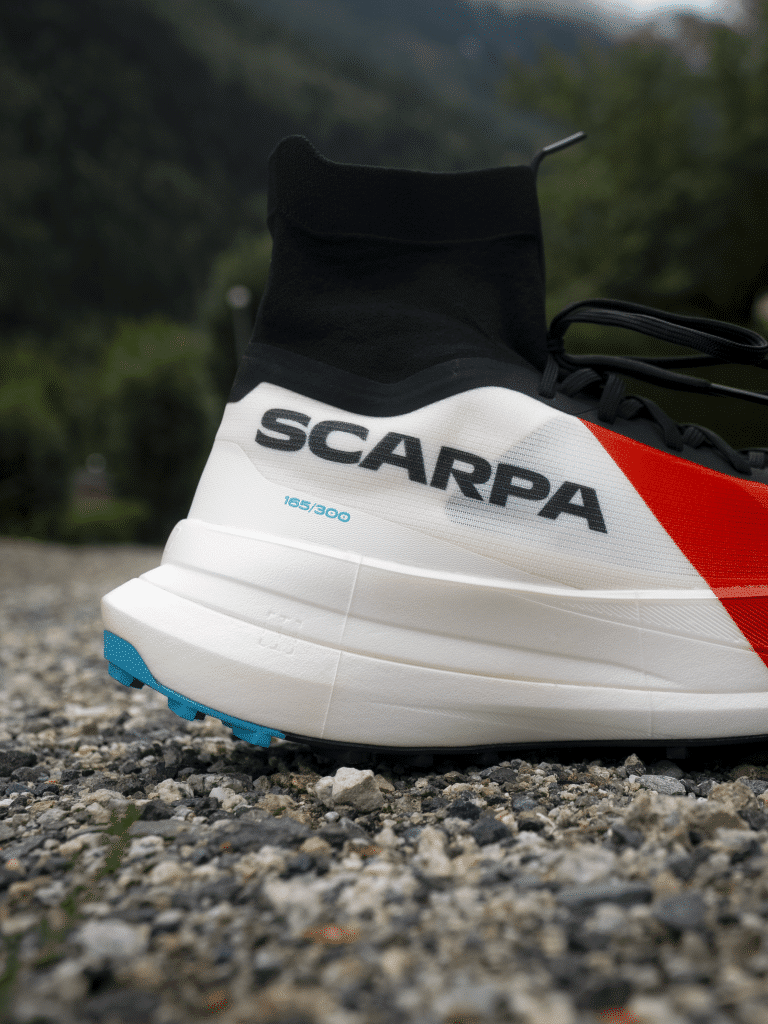
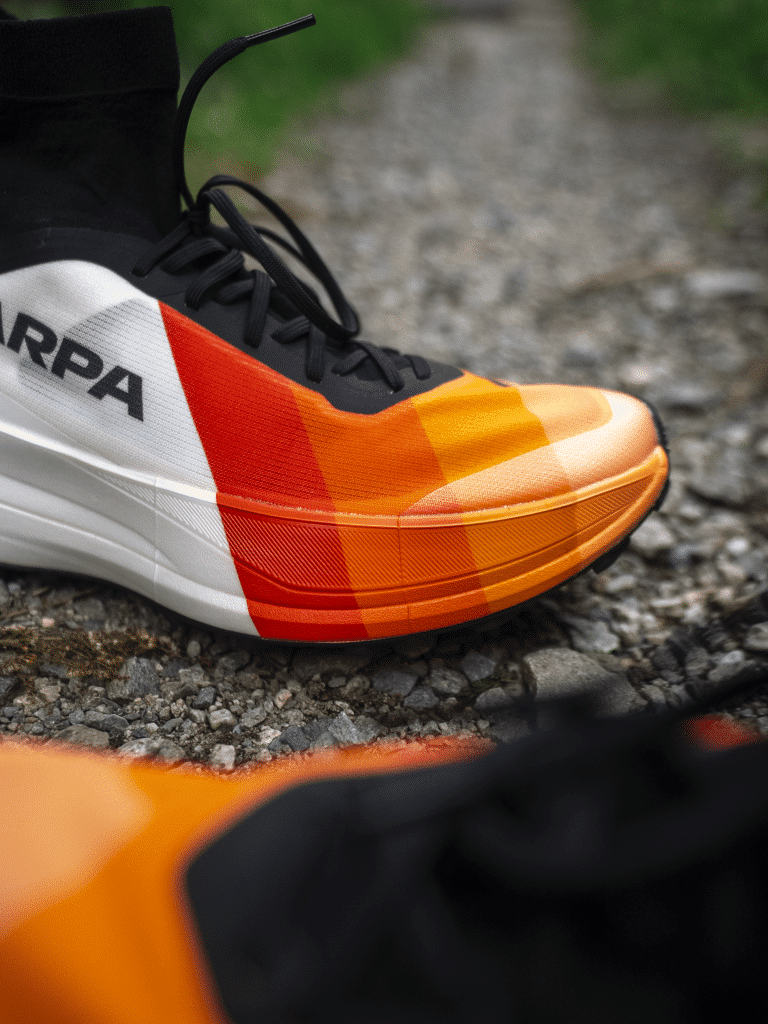
The Alien Ultra uses a dual-density Super Critical Foam made from 100% A-TPU, or Aliphatic TPU. Scarpa says this is produced through a supercritical nitrogen injection expansion process. Standard super shoe stuff.
Translated into human: Scarpa is using a modern expanded TPU foam designed to be light, energetic and consistent under demanding efforts. The brand says the foam is designed to convert impact energy efficiently into propulsion, balancing low weight, high energy return and consistent performance. Read: It should feel fast.
This is very much what the shoe feels built around. The ride is dynamic and propulsive. It does not have the soft, friendly squish of an easy-day shoe. Instead, it feels loaded. It feels like there is intent underfoot. Even with tired legs, the midsole begs for a little more.
The Alien Ultra uses a full-length propulsion plate made from Pebax® reinforced with 30% carbon fibre. This is the main engine room of the shoe. Scarpa’s documentation also mentions a branched forefoot design and a swallowtail-shaped heel structure. Both are designed to help the shoe adapt to terrain while maintaining control and traction. The plate is incredibly dynamic, allowing mistakes to be made as you charge along trails at high heart rate with little margin for error.
This is important because a full-length plate in a technical trail shoe can be a disaster if it becomes too rigid. Mother Nature does not care about your perfect sagittal-plane biomechanics. Sometimes, she throws rocks at your dreams and the Alien Ultra’s midsole is an absolute superhero on more buffed trails and at higher paces.
The Alien Ultra seems to use the plate not just for propulsion, but also for guidance and structure which is a bit of a non-negotiable considering the width at the waist and heel.
During faster efforts, the shoe begins to make sense. The foam loads, the plate engages and the narrow platform gives the ride a sharp, aggressive feeling. It is not soft in the lazy sense. Nor is it plush in the modern ultra-shoe sense. It is energetic, directed and very much built for racing.
What doesn’t work for me
The rocker on the Alien Ultra is dubbed Flow Arch by Scarpa. The Alien Ultra is one of those shoes that needs you to put something into it before it gives anything meaningful back. Flow Arch is quite a mellow name for such an aggressive shoe and when the legs start to give out, the geometry can take more than it gives. Mistakes are amplified.
The most prominent drawback encountered is that the Alien Ultra feels visibly disgruntled during warm-ups or cool-downs. When the pace is leisurely, it seems as though the shoe is functioning well below its pay grade. Every component—from the geometry to the supercritical foam—is essentially tapping its watch, waiting for the runner to inject more power and velocity. Without that level of commitment, the experience remains slightly clumsy and far too solemn for its own good.
There is no time to zone out in this shoe. The midsole demands attention.
My question is not whether the Alien Ultra is fast. It is. My question is how many runners will want this much precision deep into a long alpine race. Scarpa calls this the long-distance model, and the stack and protection support that idea, but the narrow platform and aggressive ride make it feel more elite-race-tool than forgiving ultra companion.
This is especially highlighted as I test the new Mount to Coast M1 against it. Both touted as ultra-distance shoes with very different approaches to getting to the line and get to the line we must.
Overall, I found the midsole lacked a little torsional rigidity with its narrow waist which again, amplified fatigue deeper into efforts. For many runners this shoe is a surgeon’s knife when they need a blunt instrument, hours deep into a technical mountain excursion.
Outsole of the Scarpa Alien Ultra
Grip and Traction
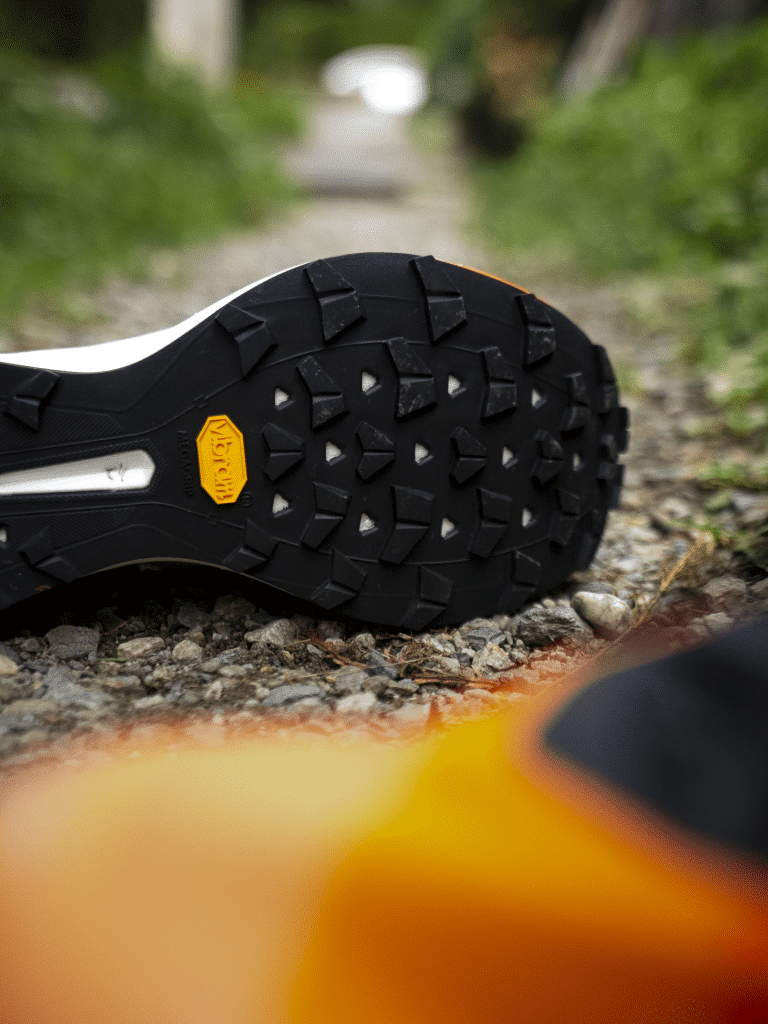
Vibram Megagrip is the correct choice here. In a shoe this narrow and this aggressive, trust is everything. The Alien Ultra needs the outsole to hold because the midsole is constantly asking you to push. If the grip were average, the whole shoe would feel like a dare. We have come to trust this series of compounds from Vibram and that trust is well placed.
The outsole should be happiest on rock, compact dirt, technical alpine trail and steep terrain where precision matters. This is not a relaxed door-to-trail outsole. It is part of the shoe’s race system. Part of its DNA. Spacing on the lugs is more old school than I expected but not once did I have slippage or worries about the outsole on this shoe.
As always, Vibram Megagrip is perfect.
Durability
As my runs have been capped by the incorrect size of the shoe, it is too early to make grand durability claims without becoming the kind of person who says “long-term review” after five runs and a photo shoot. The ingredients are promising: Vibram Megagrip, A-TPU foam and a protected alpine upper. I would expect the outsole to cope well with technical terrain, but the real question will be how long the midsole keeps its best propulsive feel and whether the upper maintains its precision after repeated mountain abuse.
Conclusion
Value for Money
€249.95 is a lot of money, but sadly it no longer feels ridiculous in the world of premium trail racing shoes (Adidas released a €500.00 trail racer on the day I am writing this). The Alien Ultra has the ingredients to justify the price: A-TPU supercritical foam, a Pebax/carbon full-length plate, Vibram Megagrip, integrated gaiter and a highly technical upper. Similar price to the Hoka Tecton X 4, Brooks Cascadia Elite & Asics MetaFuji Trail 2.
The question is not whether the materials are premium. They are. The question is whether you need a shoe this specific. If you want one trail shoe to do everything, the Alien Ultra is poor value. If you want an aggressive alpine race tool for technical terrain and faster efforts, the price begins to make more sense.
Fitting it into a shoe rotation
In my rotation, the Alien Ultra would sit firmly in the “serious mountain day” slot. Not easy runs, recovery or car boot jogging. This is the shoe for fast alpine efforts, technical races, steep climbs and days where you know the terrain is going to ask questions.
It is more aggressive than a daily trail shoe, narrower than many ultra shoes and less enjoyable at slow paces than something built for comfort. But when the pace rises, the Alien Ultra suddenly makes a lot more sense.
Final Verdict
The Scarpa Alien Ultra is not a friendly shoe, and I mean that as a compliment. It is aggressive, narrow, dynamic and very clearly built for racing in technical alpine terrain. After around 40km, the ride feels propulsive and exciting when the pace rises, but also awkward enough at slower paces to remind you that this is not a daily trainer.
The technology is impressive: A-TPU supercritical foam, full-length Pebax/carbon plate, Flow Arch geometry, Second-Skin Precision Upper, integrated gaiter and Vibram Megagrip. More importantly, it all points in the same direction. This shoe wants to move fast through difficult terrain.
The Alien Ultra will not work for everyone. The platform is very narrow and the ride is demanding. But for runners who like precise, aggressive alpine shoes and have the technique to use them, this could be one of the most interesting trail racers of the year.
Not from this planet? Maybe.
Not for jogging? Definitely.
Comparisons Against Similar Shoes
Scarpa Alien Ultra vs. Asics MetaFuji Trail 2
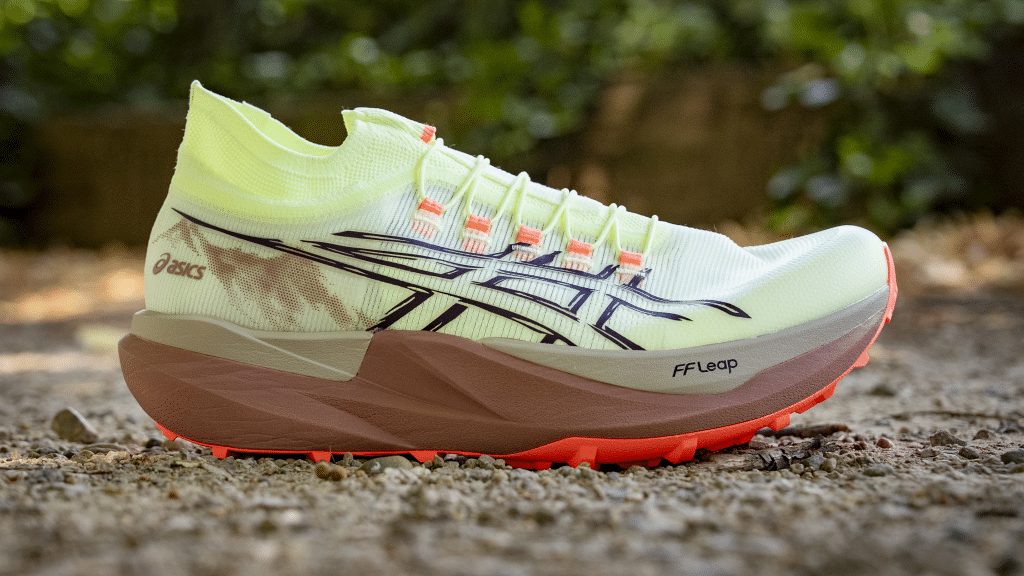
The Scarpa Alien Ultra and Asics MetaFuji Trail 2 both sit in the modern, aggressive, plated trail racing world, but they feel like they arrive there from different planets. The MetaFuji Trail 2 is the more classic trail supershoe proposition: high-end foam, carbon-assisted propulsion, elite-racing intent and a ride that rewards speed, especially on runnable terrain and technical climbs. It has that slightly wild, schoolboy-racer feeling — very fast, very exciting, but also demanding when the terrain becomes awkward or off-camber. The Alien Ultra feels even more alpine and more specific. Its narrow platform, A-TPU supercritical foam, full-length Pebax/carbon plate and integrated gaiter make it feel less like a trail supershoe adapted for the mountains and more like a mountain racing tool that happens to be a running shoe.
For me, the MetaFuji Trail 2 is probably the more explosive and broadly familiar of the two if you are used to current carbon trail racers, while the Alien Ultra is the more technical, precise and unforgiving option. The Asics gives you more of that super-shoe bounce and straight-line speed; the Scarpa gives you a sharper, more locked-in, alpine-racing sensation. Neither is a daily trainer, and neither is especially interested in slow jogging, but the Alien Ultra is even less subtle about it. If the MetaFuji Trail 2 is a schoolboy racer for elite trail running, the Alien Ultra is the alien exchange student who turned up with crampons, a physics degree and absolutely no interest in your warm-up pace.
Scarpa Alien Ultra Quick Questions
How should I use the Scarpa Alien Ultra?
Use the Scarpa Alien Ultra for fast, committed mountain running where the terrain is technical enough to justify the shoe. Think alpine races, steep climbs, rocky trails, fast technical efforts and long-distance mountain objectives where precision, propulsion and grip matter. It is not the shoe I would pick for lazy jogging, easy gravel loops or social recovery runs. The Alien Ultra wants pace, pressure and purpose.
Is the Scarpa Alien Ultra a good shoe for long runs?
Yes, but with a caveat. Scarpa designed the Alien Ultra for long-distance alpine racing, and the 38mm / 32mm stack, A-TPU supercritical foam and full-length Pebax/carbon propulsion plate give it enough protection and energy return for longer efforts. However, the platform is very narrow and the ride is aggressive, so it will suit precise runners more than those who want a broad, forgiving ultra shoe. Long runs in the mountains? Yes. Lazy long runs on easy trails? Not really.
Is the Scarpa Alien Ultra a good shoe for fast sessions?
Absolutely. This is where the shoe makes the most sense. The Alien Ultra feels dynamic and propulsive once the pace rises, and the combination of Flow Arch geometry, supercritical A-TPU foam and the full-length propulsion plate rewards faster running. It is much less convincing while warming up or cooling down, but once you start pushing, the shoe comes alive.
Is the Scarpa Alien Ultra a shoe for daily training?
No, not for me. You can train in it, but I would not use it as a daily trainer. It is too specific, too aggressive and too expensive to waste on easy miles. The narrow platform and propulsive ride make it better suited to workouts, race simulation runs and technical mountain days. For daily training, I would want something more forgiving, more relaxed and less demanding.
Can I wear the Scarpa Alien Ultra as a lifestyle shoe?
Only if your lifestyle involves arriving at the bakery via a ridge scramble. This is not a lifestyle shoe. It has an integrated gaiter, aggressive alpine geometry, Vibram Megagrip and a full-length propulsion plate. You could technically wear it casually, but you would look like you got lost on the way to a vertical kilometre.
Is the Scarpa Alien Ultra suitable for all terrains?
No. It is suitable for a lot of serious mountain terrain, but not all terrain. The Vibram Megagrip outsole should work very well on rock, compact dirt, mud and technical alpine trails, but the Alien Ultra is not a deep mud shoe, not a road-to-trail cruiser and not the best choice for flat, easy gravel. It is a technical alpine race shoe, not a universal trail shoe.
Is the Scarpa Alien Ultra a good shoe for racing?
Yes. Racing is the whole point. The Alien Ultra is built around precision, propulsion and control, with a technical upper, integrated gaiter, A-TPU supercritical foam, full-length Pebax/carbon plate and Vibram Megagrip outsole. For technical alpine racing, fast mountain efforts and long-distance races where the terrain demands attention, it makes a lot of sense. For smoother, faster, non-technical trail races, there may be easier and more efficient options.
Is the Scarpa Alien Ultra a good shoe for stability?
Yes and no. It is stable in a performance sense, not in a traditional support-shoe sense. The plate, upper and outsole give the shoe a controlled, precise feel, but the platform is very narrow. That means it can feel stable if you are running well and placing your feet accurately, but it will not give the broad, forgiving stability of a wider trail shoe. Think race-bike stability: excellent when used properly, less charming when you are tired, sloppy or looking for comfort.

