






The Nike Pegasus Plus 2, one of the newest shoes from Nike, succeeds the original Pegasus Plus. It sits in an interesting in-between segment, between the base Pegasus 42 and the Pegasus Premium. I have a very interesting relationship with both of those shoes and the Pegasus line up in general.
I was a big fan of the Pegasus Premium. Weight aside, it was bouncy and very much a what-you-put-in-is-what-you-get-out kind of ride. Meanwhile, the base Pegasus 42 was, for me, the biggest brick or “stinker” of the year. So it was interesting having this one arrive and taking it out for a few runs across a range of paces.
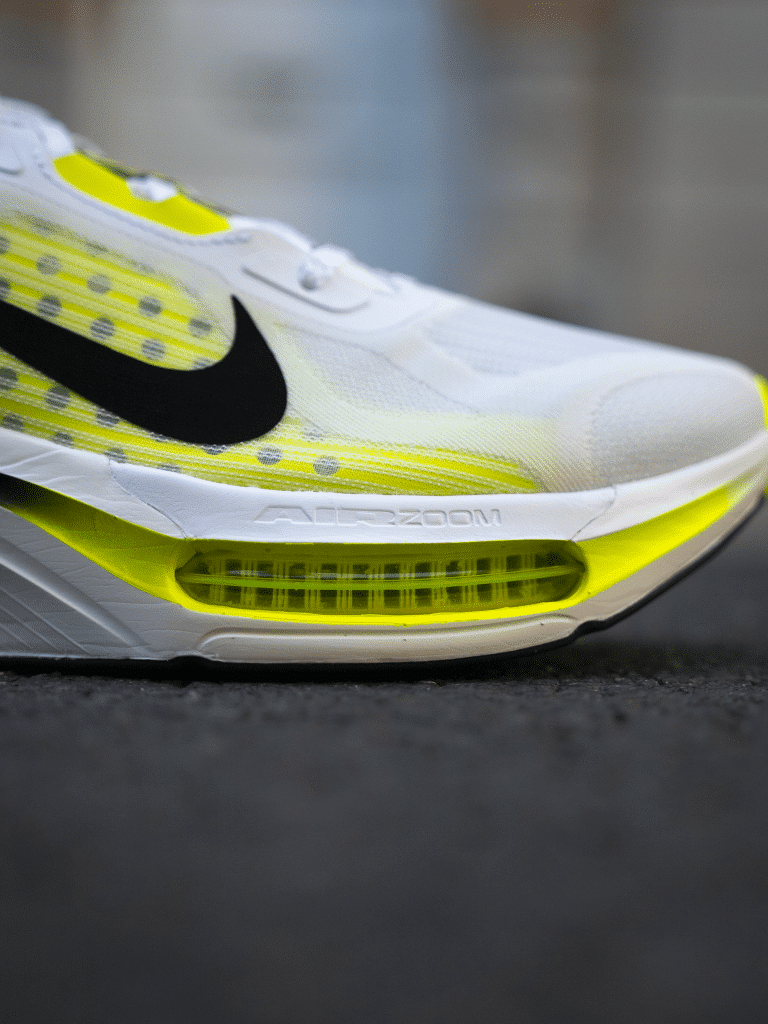
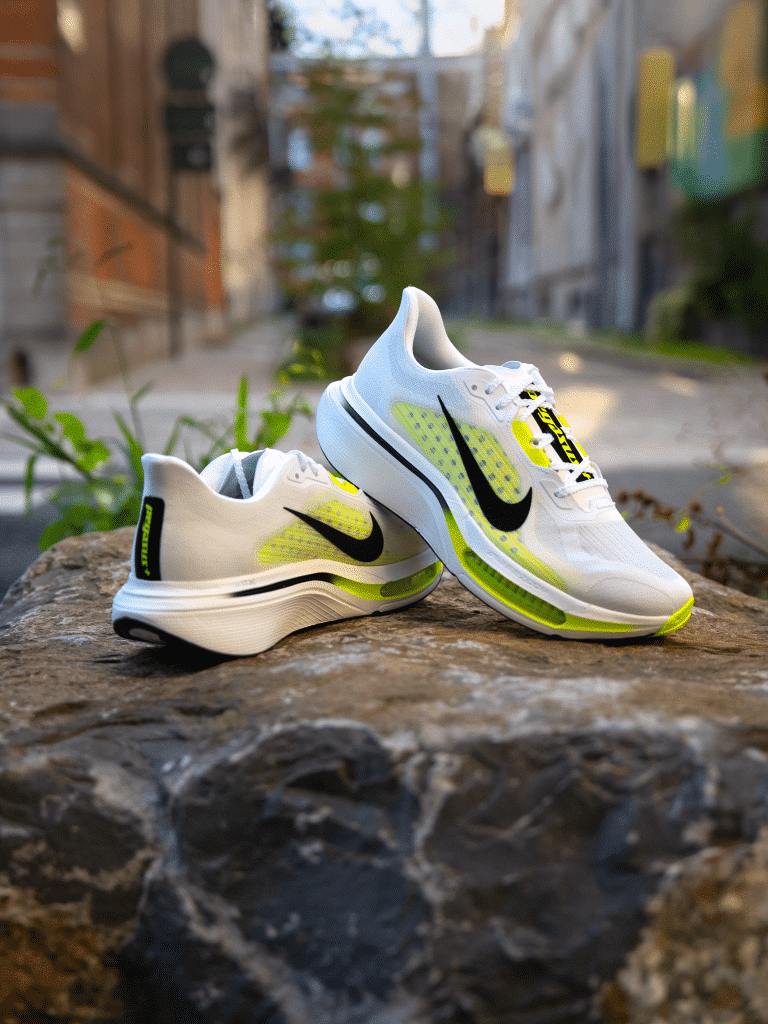
What’s new? It comes with a newly integrated Zoom Air pod in the forefoot (an addition the original Pegasus Plus didn’t have), 38mm of full-length ZoomX (PEBA) foam, and a 10mm drop, which makes for an interesting daily trainer package.
At 265g, it is 20g heavier than its predecessor. That said, it still comes in 35g lighter than the base Pegasus 42 and 60g lighter than the Pegasus Premium. With the shoe coming in at €170/$170/£155 let’s dig in and find out if it’s really worth your buck.
Upper and Fit of the Nike Pegasus Plus 2
What works for me
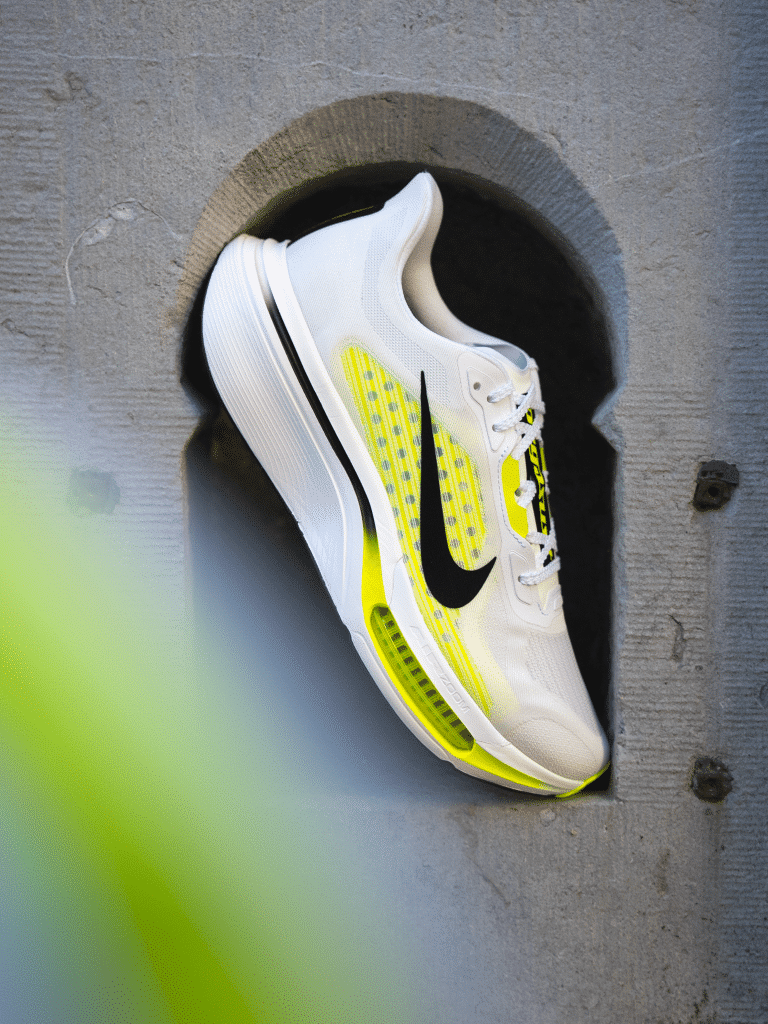
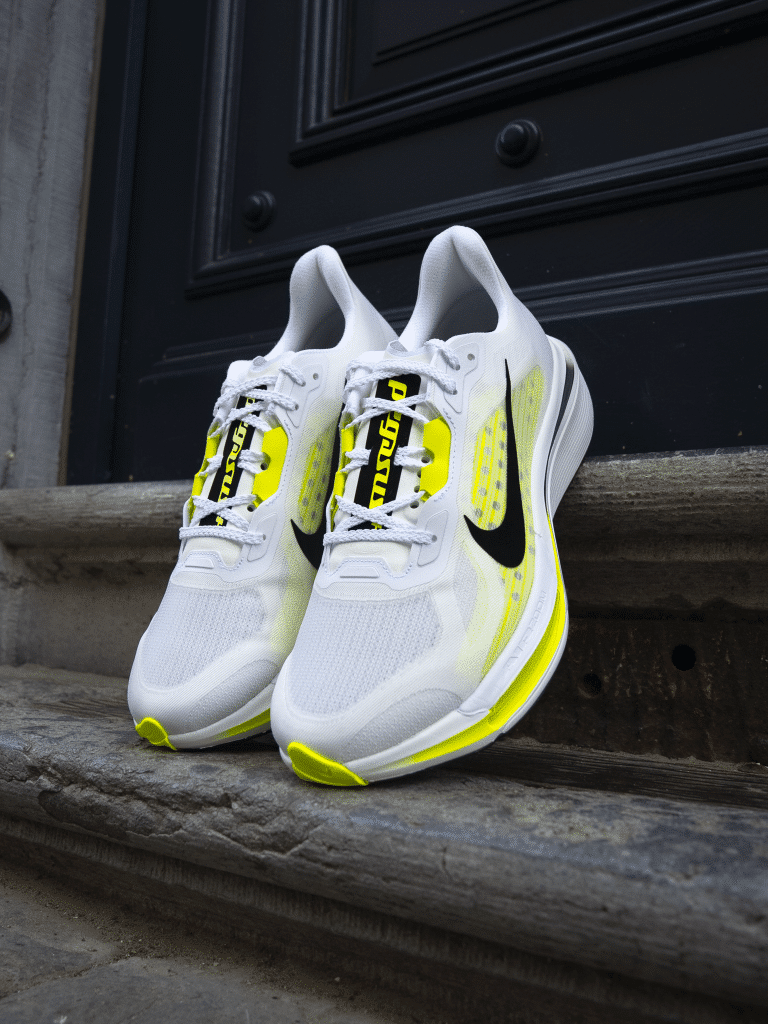
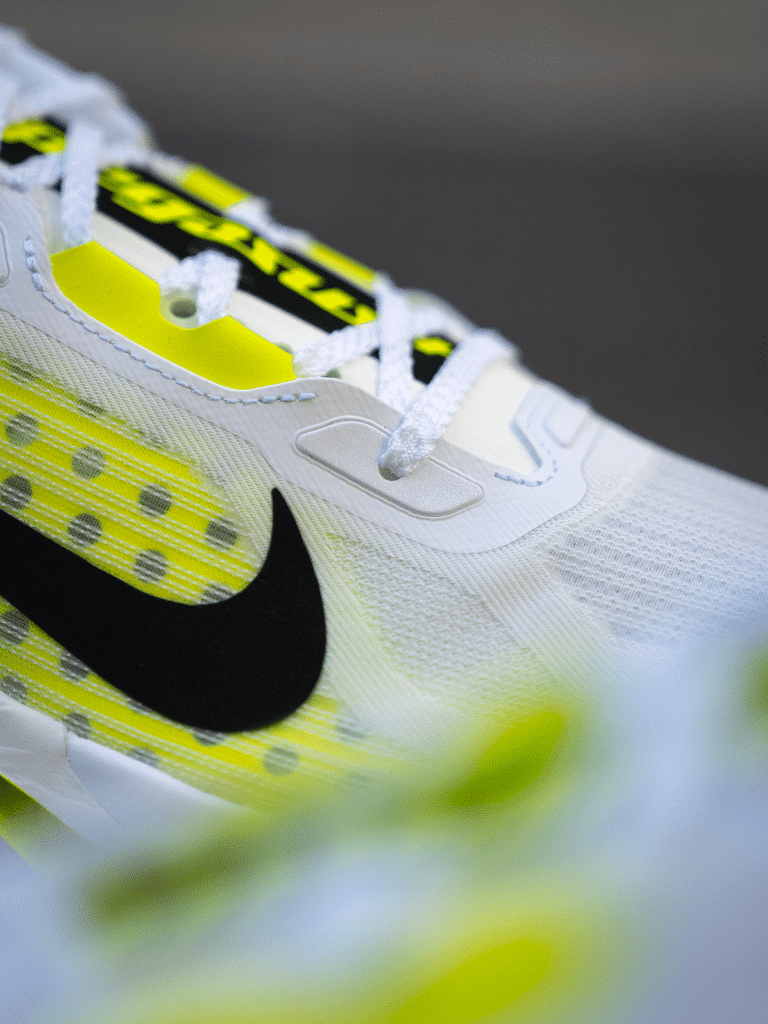
The upper is an engineered mesh, about as close to a Nike industry standard as you get, but I found it quite comfortable. There’s padding in the heel, the fit and feel is similar to the base Pegasus 42. It is supportive where it needs to be. Overall, it feels nice and breathable, with some added support around both the lateral and medial sides of the foot.
The tongue is semi-gusseted, not fully gusseted, but enough to give a good lockdown, which I appreciated. It also has textured laces, which I’m always happy to see. Between the breathability, the semi-gusset, and the laces, that’s a bunch of positives for the upper right off the bat.
What doesn’t work for me
On the fit side, I did get some rubbing around the ankle. I have a bit of a prominent medial malleolus on one foot in particular. In general the heel collar sits quite high and I felt some rubbing on both sides of the ankle bone because of it. That made it a little uncomfortable at times.
Beyond that, I wouldn’t say it fits small, but it definitely fits slightly narrow. Nike does offer wide sizing on a lot of their shoes, so I’d expect a wide version of this one to come, if it hasn’t already. But in the standard width, with a wider foot like mine, I found it ran narrow. I felt some rubbing on the outside of my feet, particularly outside the big toe and small toe.
That said, I’d still say true to size is the go-to recommendation here, though it depends on your foot. It might be worth considering the wide option or going half a size up if that’s a concern for you.
Midsole and Ride of the Nike Pegasus Plus 2
What works for me
As mentioned before, the midsole features a full-length ZoomX foam, which Nike claims is 100% PEBA-based. It’s worth noting that just because Nike reuses the ZoomX name across shoes doesn’t mean it’s the same formulation you’d get in a Vaporfly or Alphafly. This version feels tuned differently. Maybe on the slightly firmer side, but it feels pleasant. Furthermore, it’s a massive step up from the React X foam you get in the base Pegasus 42. I’d also say it probably beats the Pegasus Premium’s midsole too, since that shoe is almost 80% air pod and pretty much lacks any true foam underfoot. What I really liked is that it’s not too soft: you get a forgiving ride that’s soft and bouncy, but also stable.
As a forefoot striker, I quite enjoyed the air pod up front. It propels you forward, especially once you pick up the pace. At slower paces you don’t feel the benefit as much, but once you push the envelope, it feels way better. This was a feature I enjoyed in the Pegasus Premium and I guess is also in the Alphafly (albeit in a completely different construction).
I like that this comes out as a versatile, dynamic trainer rather than something uni-dimensional that only really works for shorter/slower runs. It reminds me a lot of the Novablast 6 in that sense. It has a similar propulsive element in the forefoot, while still being a relatively soft, relatively snappy ride overall.
What doesn’t work for me
At a 10mm drop, it sometimes feels a bit slappy to the ground and doesn’t have the smooth turnover I would have expected. I wouldn’t call it aggressive exactly, but it does mean your foot slaps the ground more than it rolls through it. As someone who already runs on my forefoot, I really feel (and hear) that slap on the forefoot section, with maybe a touch of heel contact afterward. The whole ride is oriented around that big drop, which makes it quite a loud shoe to run in. Again similar to its big big brother the Alphafly which is notorious for being one of the loudest shoes on the market.
I’d imagine anyone who lands further back, midfoot or rearfoot strikers, would feel this slapping sensation even more than me. Possibly to the point of it feeling like a flat, unpleasant landing. So it’s worth flagging: this is a slappy, loud shoe. Overall I think the positives outweigh that for me, but I know people who are more midfoot-oriented who haven’t enjoyed that sensation. It’s worth keeping in mind depending on your strike pattern.
Outsole of the Nike Pegasus Plus 2
Grip and Traction
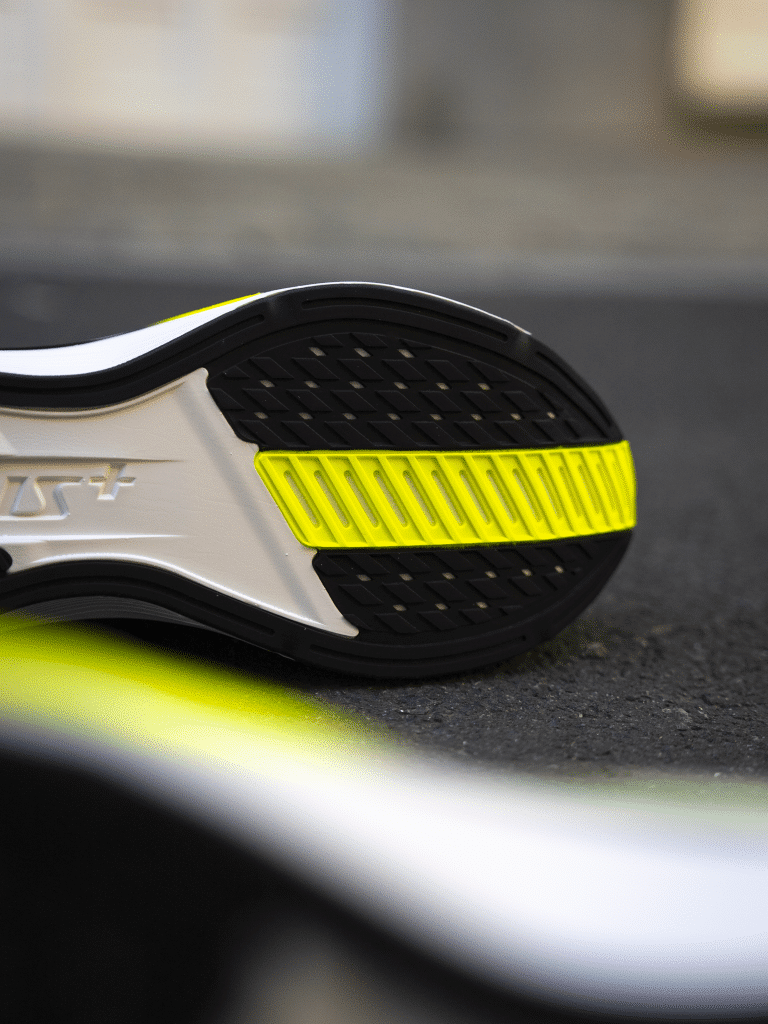
The outsole reminds me a lot of the Pegasus Turbo from years back, both in terms of coverage and what’s underneath. Coverage is pretty good in the areas that matter, but it’s quite sheer, especially around the middle of the foot, and there’s a big open area toward the back. That’s fine, you’re not putting much load there anyway, but overall I’d call the coverage more minimal than generous: not the thickest layer, and not the most reassuring for long-term durability.
Grip-wise, it performs well. It’s an in-house compound, no fancy collaboration, but it feels nice and grippy where it needs to. I haven’t tested it in proper wet or slippery conditions yet, it isn’t winter here in Brussels yet, so that’s a caveat. Overall I’d call the grip pretty good, though it could be better given how many grippier options exist on the market right now.
Durability
Normally, with a PEBA-based foam, you’d expect it not to last especially long. But because this feels more like a foam blend than a true PEBA, it actually feels considerably more durable than that would suggest.
My first area of concern is the outsole rubber wearing out over time, given how sheer that coverage is. The rest of the shoe feels quite durable though. There’s also the Zoom Air pod to consider, if that were to pop it could significantly affect the ride of the shoe. It’s not something I’ve heard to be common, but it’s worth considering as it wears out differently to the foam.
Overall, I’d put the durability on par with the base Pegasus 42 or the Pegasus Premium, both shoes I’ve tested extensively. My estimate is this one can go for around 700km.
Conclusion
Value for Money
At €170/$170/£155, this actually comes in about €10 cheaper than the original Pegasus Plus, which is a move in the right direction for Nike. It is, however, still slightly more expensive than something like the Novablast 6 though. This puts it at a more premium price point for shoes within that category.
Given what you get, the ZoomX foam, the new Zoom Air pod, the stability, the versatility, I’d say the value for money is good, but it could be better. Factoring in the durability concerns around the sheer outsole coverage and the forefoot wear from that 10mm drop, my overall take is mixed rather than a clear yes.
Fitting it into a shoe rotation
This sits very clearly in the dynamic daily trainer segment for me, on par with something like the Salomon Aero Blaze or the Asics Novablast 6. It’s the kind of shoe you can reach for when you want to bring some up-tempo work into your week. Being lighter than the other Pegasus models, it sits nicely as a dynamic daily trainer that can handle faster efforts. I took it to some proper fast speed work on the track, and also just easy road runs. It worked well across both.
The one place I would say it does not thrive is in longer runs where you want a bit more underfoot. As it has a big drop I wouldn’t recommend using it for long runs or racing. Other than that segment the shoe remains a dynamic do-it-(almost)all shoe, which is definitely worth getting if you can find a good deal online for it.
Final Verdict
The Nike Pegasus Plus 2 threads the needle nicely between two very different shoes: the brick that they called the Pegasus 42 and heavy but bouncy Pegasus Premium. The full-length ZoomX and new Zoom Air pod combine into a stable, versatile, dynamic ride that works from easy days through to track sessions.
My real reservations are the slappy landing that comes with the 10mm drop (more of an issue for midfoot and rearfoot strikers than for me. The narrow fit with some ankle rubbing, and a sheer outsole that raises some durability questions. At a price that undercuts its predecessor but sits above the market, it’s a good shoe rather than an obvious one. It’s worth trying on before you commit, and always worth looking out for a deal before buying.
Comparisons Against Similar Shoes
Nike Pegasus 42 vs. Nike Pegasus Plus 2
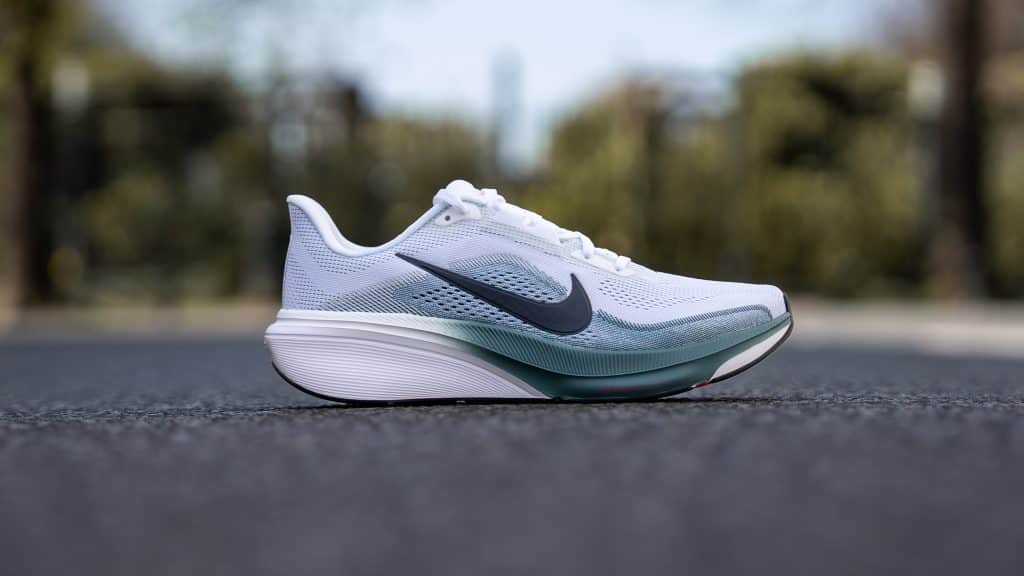
Where the base Pegasus 42 was, for me, firm and lifeless, the Plus 2 fixes almost everything I disliked about it. The React X foam in the 42 doesn’t come close to the ZoomX here, and the Plus 2’s stability and propulsion make it feel like a completely different tier of shoe, despite being part of the same family.
ASICS Novablast 6 vs. Nike Pegasus Plus 2
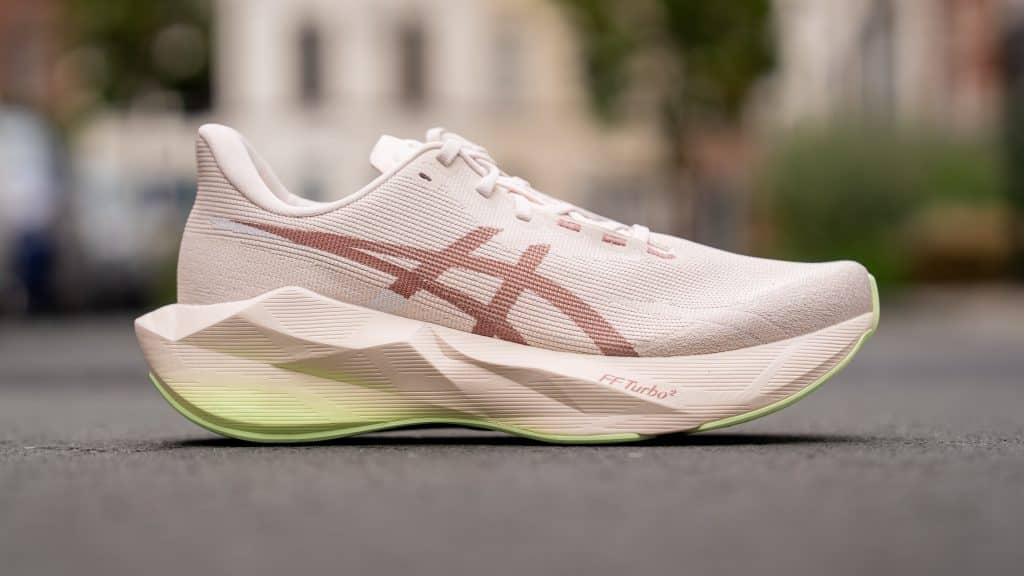
Both shoes occupy a similar space: dynamic daily trainers with a propulsive forefoot element and a relatively soft, relatively snappy overall ride. The Novablast comes in much softer than the Pegasus, but that comes at the tradeoff of feeling less snappy at faster paces. The Novablast is slightly cheaper and probably occupies a more versatile use case even for longer runs as it is a bit more forgiving on the legs at easier paces.
Salomon Aero Blaze 4 vs. Nike Pegasus Plus 2
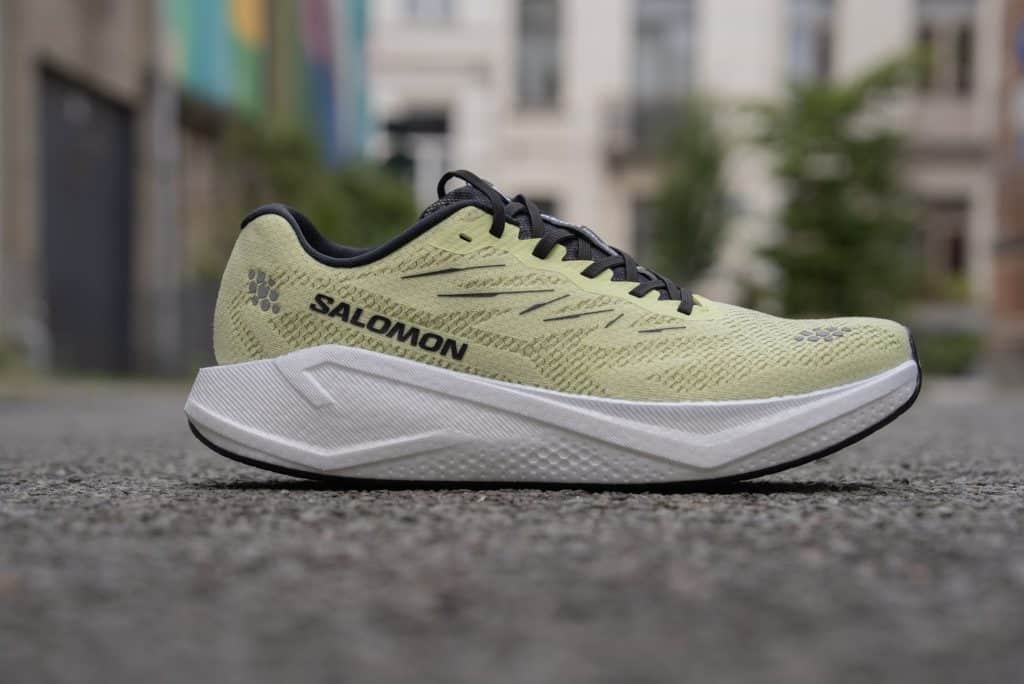
Similar to the above comparison the Aero Blaze feels slightly more forgiving in having a lower drop and thus more of a rolling sensation. The Pegasus Plus 2 feels like the kind of shoe you need to put more in to get something out while the Aero Blaze feels comfier at a variety of paces even if you are not putting much effort into your stride.
Nike Pegasus Plus 2 Quick Questions
How should I use the Nike Pegasus Plus 2?
Use it as a dynamic daily trainer for easy runs and up-tempo workouts, but not for long runs or race day.
Is the Nike Pegasus Plus 2 a good shoe for long runs?
No, its 10mm drop and forefoot-oriented ride mean it doesn’t thrive on longer runs where you want more underfoot.
Is the Nike Pegasus Plus 2 a good shoe for fast sessions?
It depends, the full-length ZoomX foam and forefoot Zoom Air pod make it propulsive and snappy once you pick up the pace, but there are better options on the market.
Is the Nike Pegasus Plus 2 a shoe for daily training?
Yes, it sits squarely in the dynamic daily trainer segment, alongside shoes like the Novablast 6 and Aero Blaze 4.
Can I wear the Nike Pegasus Plus 2 as a lifestyle shoe?
For sure, if there is a colorway that suits your fashion sense, it’s a shoe that could be used for lifestyle, but it’s definitely more of a running shoe.
Is the Nike Pegasus Plus 2 suitable for all terrains?
Not really, it can be used for most terrains but its not oriented around trail running or off-road as much as it is oriented towards road/track.
Is the Nike Pegasus Plus 2 a good shoe for racing?
Not really, you can get away with it for shorter distances, but I wouldn’t recommend it for anything longer. There are many better options for racing.
Is the Nike Pegasus Plus 2 a good shoe for stability?
Yes, despite its high stack it delivers a notably stable, well-supported ride.

