






The Mizuno Sky Prime is the elevated, premium version of the Sky line, sitting at the top of Mizuno’s Float silo above the Wave Sky 9. Float is Mizuno’s max-cushion, plush category, and this shoe is built around a single brief: 360 degree cushion, comfort and stability. With 47mm of stack in the heel, the highest Mizuno has gone, a new Enerzy NXT+ top midsole and a very wide base, it goes up against shoes like the ASICS Superblast, the ASICS Nimbus and the New Balance More. After my first runs, my verdict is simple: there is nothing flashy here, but almost everything is done really well, and it is one of my favourite Mizuno shoes right now.
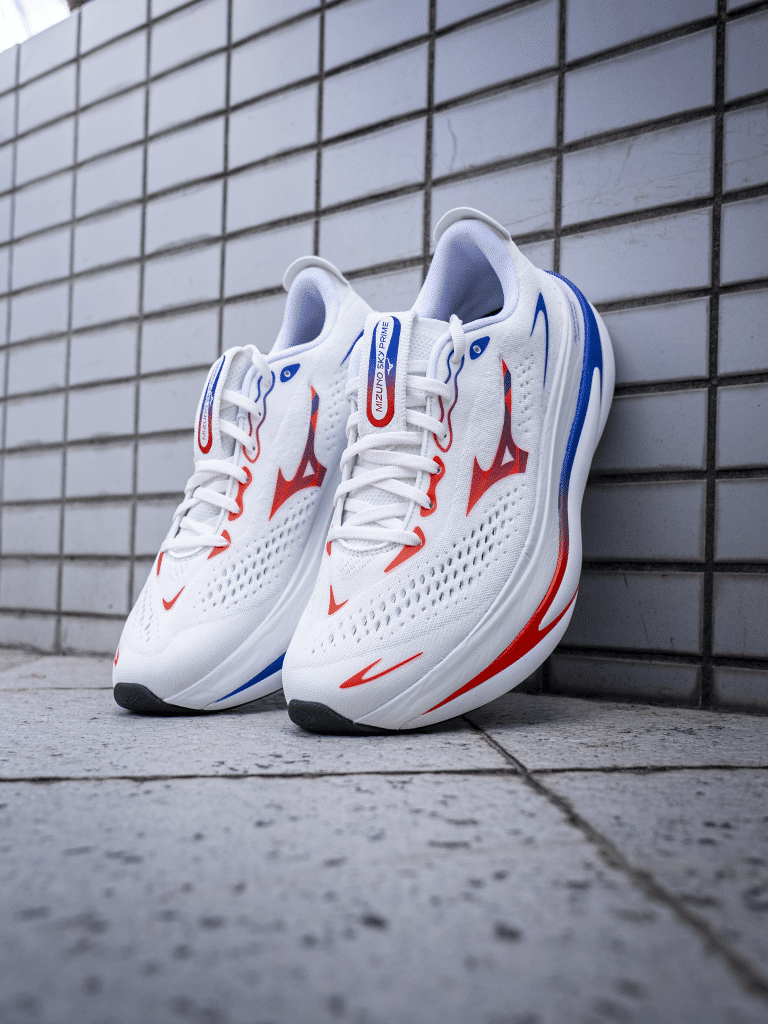
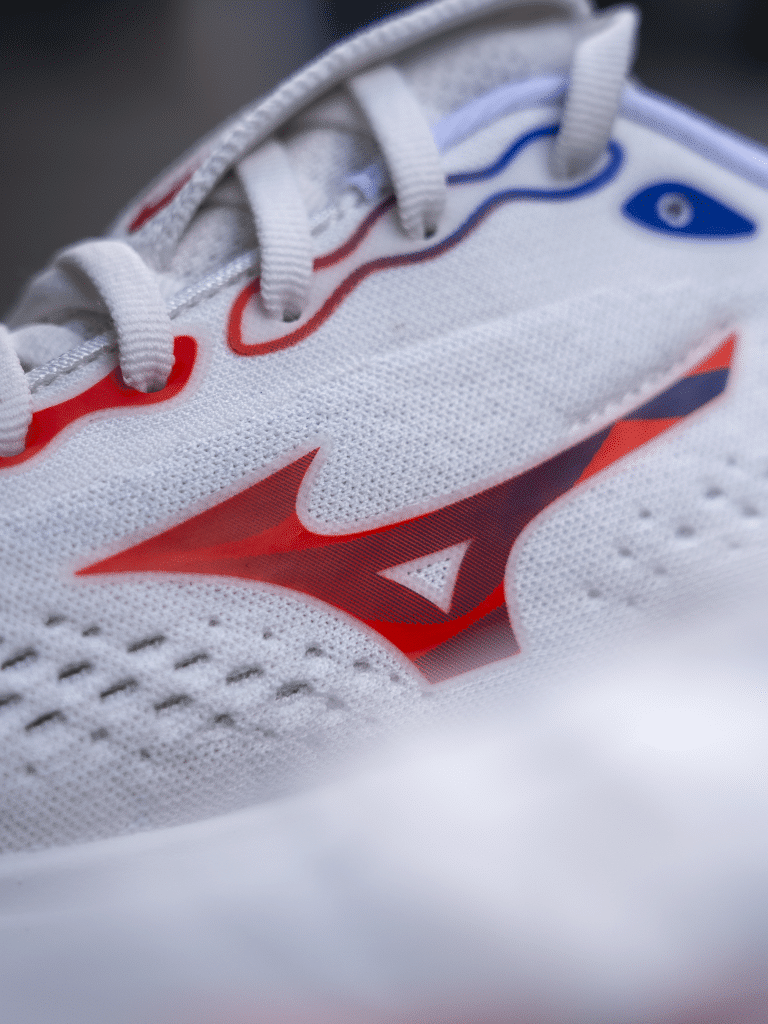
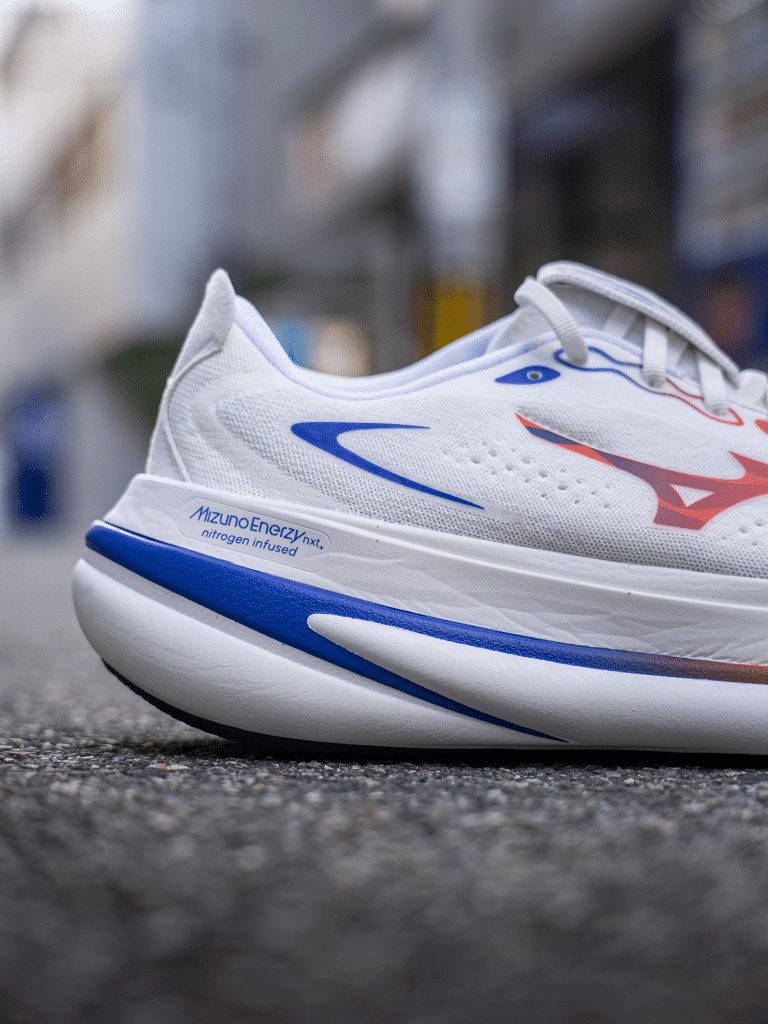
Upper and Fit of the Mizuno Sky Prime
What works for me
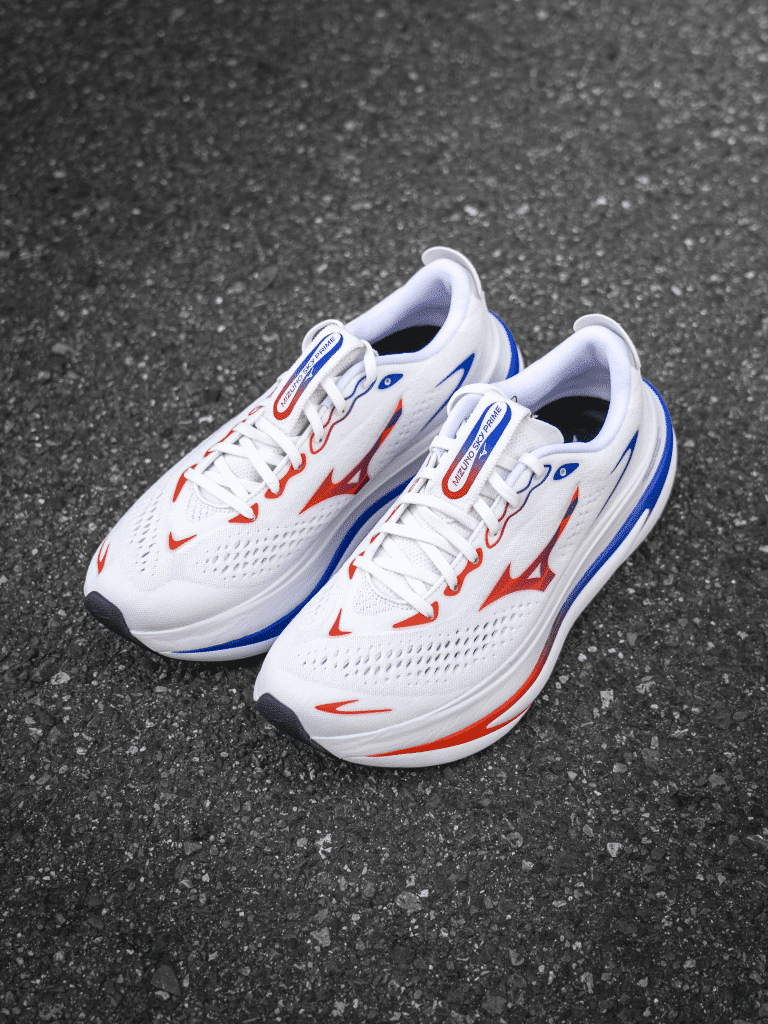
The upper is close to a 10 out of 10. The material is lovely, slightly stretchy throughout, and it wraps the foot beautifully. The knit gusseted tongue is stretchy and a genuinely nice touch, and the heel collar is packed with plushness that you feel the moment you step in. What surprised me most is how close Mizuno has come to the best fits in the industry. The golden standard right now sits with another Japanese brand, Asics, and the Superblast and Nimbus in particular. This shoe gets right up alongside them, and in some respects it might even be better. For a plush max-cushion daily shoe, the lockdown and comfort are excellent. Wider feet should get on with it too, thanks to the stretchy material around the midfoot and ball of the foot.
What doesn’t work for me
A few small things keep it from a perfect score. The heel tab is done in an awkward fashion, and a simple pull tab would have worked just as well. The laces are standard and feel a little cheap for a €220 shoe, where I would expect something more premium. The toe box is not the most generous in volume, so if you have very wide toes or need extra height up front, this may not be the one. The material is also on the thicker side, so it will run a touch warm, which actually suits the winter months ahead in Europe better than high summer.
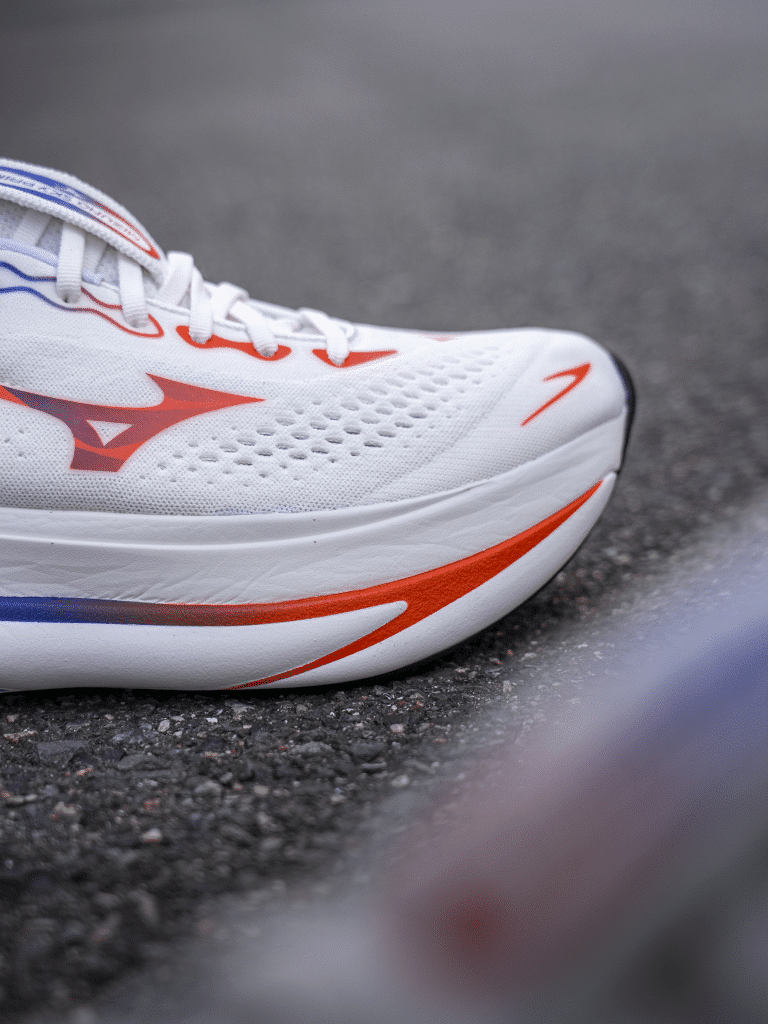
Midsole and Ride of the Mizuno Sky Prime
What works for me
This is where the 47mm of stack earns its keep. It is a max-cushion shoe by any measure, built to protect your legs from pounding after a hard session in a Neo Vista or a Hyperwarp. The midsole pairs two materials: a new Enerzy NXT+ top layer, a lighter and more responsive foam, over a soft Enerzy NXT EVA base. The result is plush and protective with a bit of bounce, though it is nowhere near as lively as a Neo Vista from the Bounce silo, and it is not trying to be. The clever part is the balance: you get all that cushion and protection, but you still feel connected to the ground. You float on top of the surface without losing touch with it, which is harder to pull off than it sounds. The wide 125mm base adds a lot of inherent stability, so you get softness and a planted, secure platform at the same time.
What doesn’t work for me
The ride has a clear speed ceiling. For me the Sky Prime shines at slower paces, up to around 4:30 per kilometre, so endurance, cruising, recovery and easy daily runs. Push faster than that and the weight starts to tell, and I would reach for a Neo Vista 3, a Wave Rider 30 or even the lighter Wave Sky 9 instead. This is a shoe for floating, not for speed, so judge it on that.
Outsole of the Mizuno Sky Prime
Grip and Traction
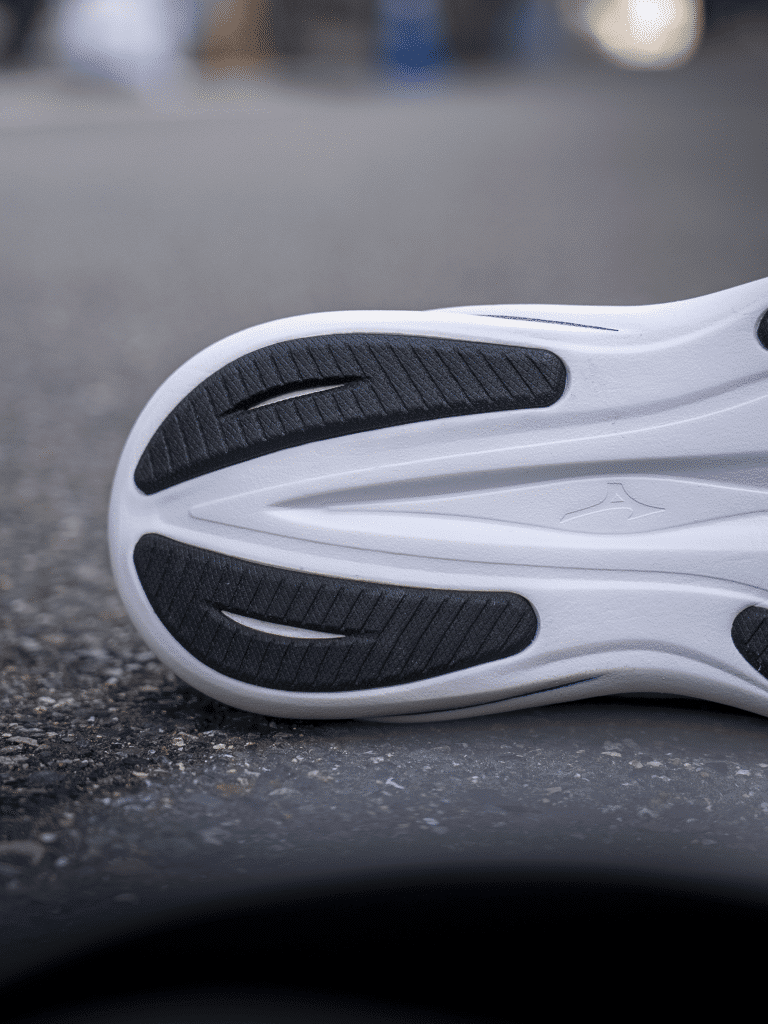
Rubber coverage is minimal, which saves some weight. My first run was on dry ground so wet traction is still to be confirmed, but on dry roads it did its job without issue.
Durability
This is the one to watch. There is a lot of exposed midsole in the centre of the outsole, so durability will need monitoring over time. We have several testers at Meta Endurance running in it now, so keep an eye on the site and the channel for a longer-term durability read.
Conclusion
Value for Money
At €220, I think the Sky Prime is a little expensive for what it offers. It is very versatile and genuinely well made, but the price sits slightly above where it feels fair. The $200 US price is spot on. Around €200 it would be an easy recommendation, and at €220 it is a tad steep, though still a strong offering. That is a pricing quibble, not a quality one.
Fitting it into a shoe rotation
This is a max-cushion daily and recovery shoe, best for easy and endurance running up to about 4:30 per kilometre. It slots in as the protective, leg-saving end of a rotation, the shoe you reach for the day after a hard workout or for relaxed daily mileage. Pair it with something lighter and faster for tempo and race work. It suits all footstrikes but favours heel and midfoot strikers, who will get the most out of that generous heel stack.
Final Verdict
The Mizuno Sky Prime nails the brief: 360 degree cushion, comfort and stability. There is nothing wild about it, and that is the point. The upper is near flawless, the fit rivals the best in the industry, and the huge, stable platform protects your legs while still keeping you connected to the ground. It is one of my top two or three Mizuno shoes right now, behind the Neo Vista, and it is a shoe I am taking home for real mileage, which is always the clearest sign I rate it. The only real reservations are the slightly warm, thick upper, the outsole durability question, and a price that would sit better at €200.
Comparisons Against Similar Shoes
Mizuno Sky Prime vs Mizuno Wave Sky 9

The Sky Prime is the elevated, premium version of the standard Wave Sky 9. The Prime goes bigger on everything that defines the Float silo: more stack, a new Enerzy NXT+ top midsole, a plusher upper and a more premium overall package. The trade-off is weight. The Wave Sky 9 is lighter and a bit more versatile across paces, so if you want to pick the pace up occasionally it handles that better. If your priority is maximum cushion and protection for easy and recovery days, the Prime is the upgrade. If you want one slightly more flexible daily shoe, the 9 still makes sense.
Mizuno Sky Prime vs ASICS Superblast 3
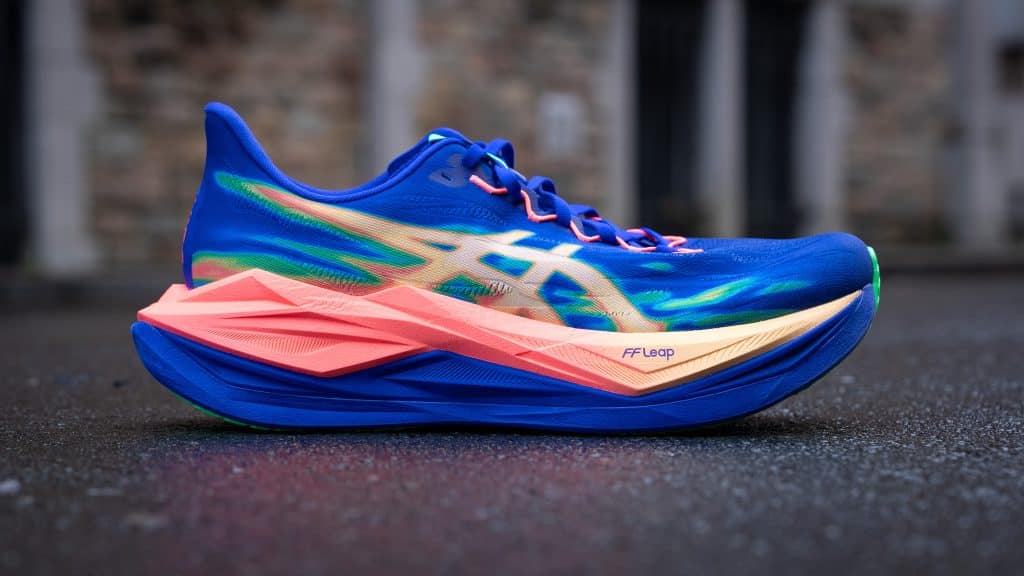
The ASICS Superblast 3 is one of the shoes the Sky Prime is chasing, and the comparison is closer than Mizuno fans might expect. On fit and upper, the Prime gets right up alongside Asics, which is high praise given Asics sets the industry standard here. Where they differ is intent: the Superblast is a more versatile, do-everything max-cushion shoe that handles faster paces, while the Sky Prime is more clearly a plush, protective easy-day and recovery tool with a stronger stability bias thanks to its very wide base. If you want one shoe to cover easy miles up to tempo, the Superblast is more flexible. If you want maximum plush protection and a planted, stable ride for slower running, the Sky Prime holds its own and arguably fits even better.
Mizuno Sky Prime Quick Questions
What is the Sky Prime best used for?
Easy runs, recovery runs and daily endurance mileage up to around 4:30 per kilometre. It is a max-cushion, leg-protecting shoe, not a fast-paced one.
How much stack does the Sky Prime have?
47mm in the heel and 41mm in the forefoot, for a 6mm drop. That is the highest stack Mizuno has put in a Float shoe.
Is the Sky Prime good for heavier runners or tired legs?
Yes. The huge stack and very wide 125mm base make it highly protective and stable, ideal for pounding protection and recovery days.
Is the Sky Prime a stable shoe?
Yes. Despite all the cushion, the 125mm wide base gives it a lot of inherent stability without being a motion-control shoe.
What footstrike suits the Sky Prime?
It works for all footstrikes but shines for heel and midfoot strikers, who benefit most from the generous heel stack.
Does the Sky Prime fit wide feet?
Around the midfoot and ball of the foot, yes, thanks to the stretchy upper. The toe box is less generous in volume, so very wide toes may find it tight.
How does the Sky Prime compare to the Wave Sky 9?
The Prime is the premium, higher-stack, plusher version. The Sky 9 is lighter and a bit more versatile across paces.
Is the Sky Prime worth €220?
It is a very good shoe, but the price feels slightly high. The $200 US price is fair, and around €200 it would be an easy recommendation.

